

Rather than presenting a single new discovery, the research by Dr Daniel Sada brings together, evaluates, and synthesizes nearly three millennia of evidence from a remarkable range of disciplines.
Drawing upon ancient inscriptions, Classical Greek and Roman literature, biblical and patristic sources, Syriac literary and manuscript traditions, historical linguistics, Assyriology, archaeology, historiography, and modern interdisciplinary scholarship, the study demonstrates how independent bodies of evidence converge upon the same historical conclusion.
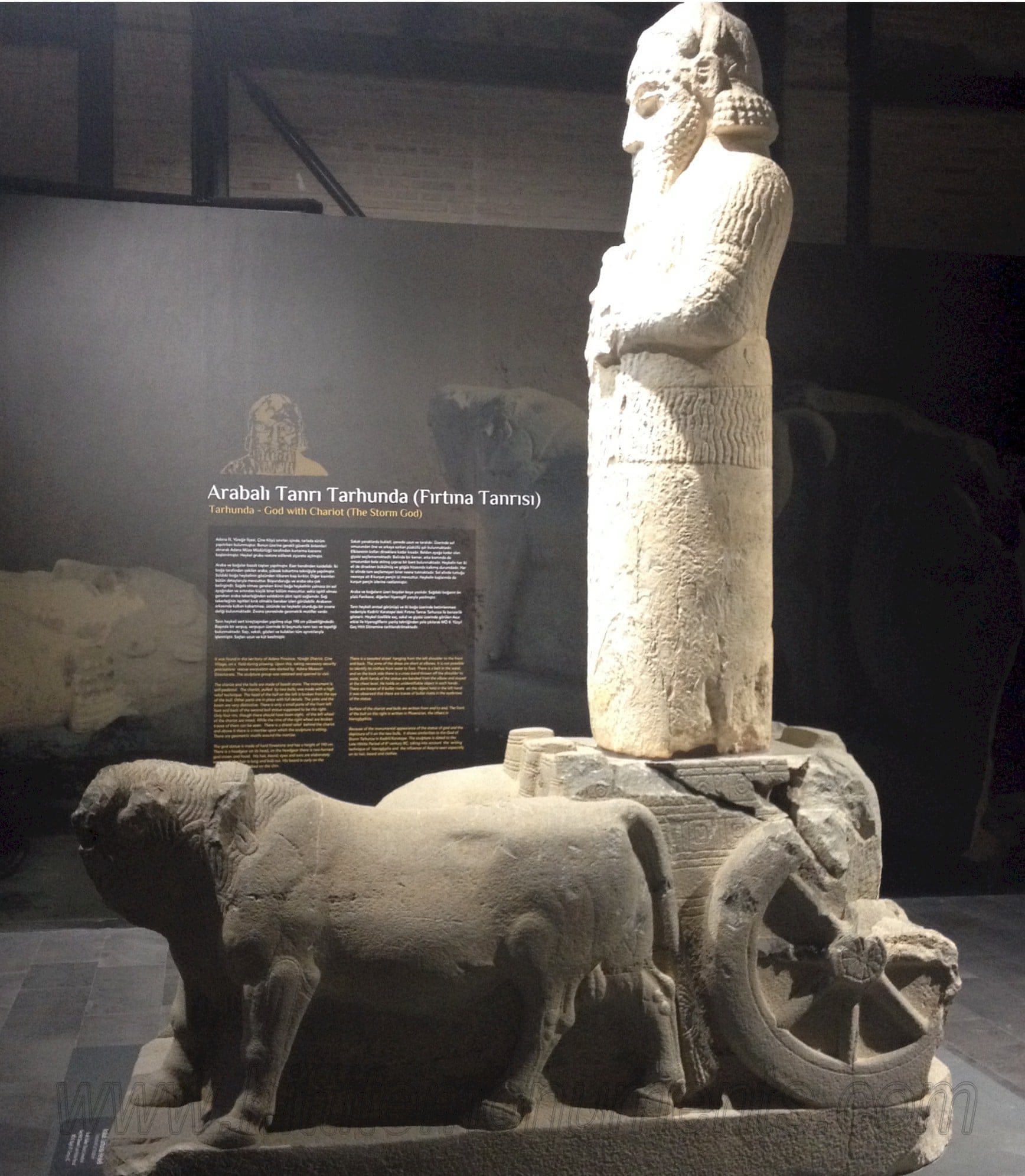
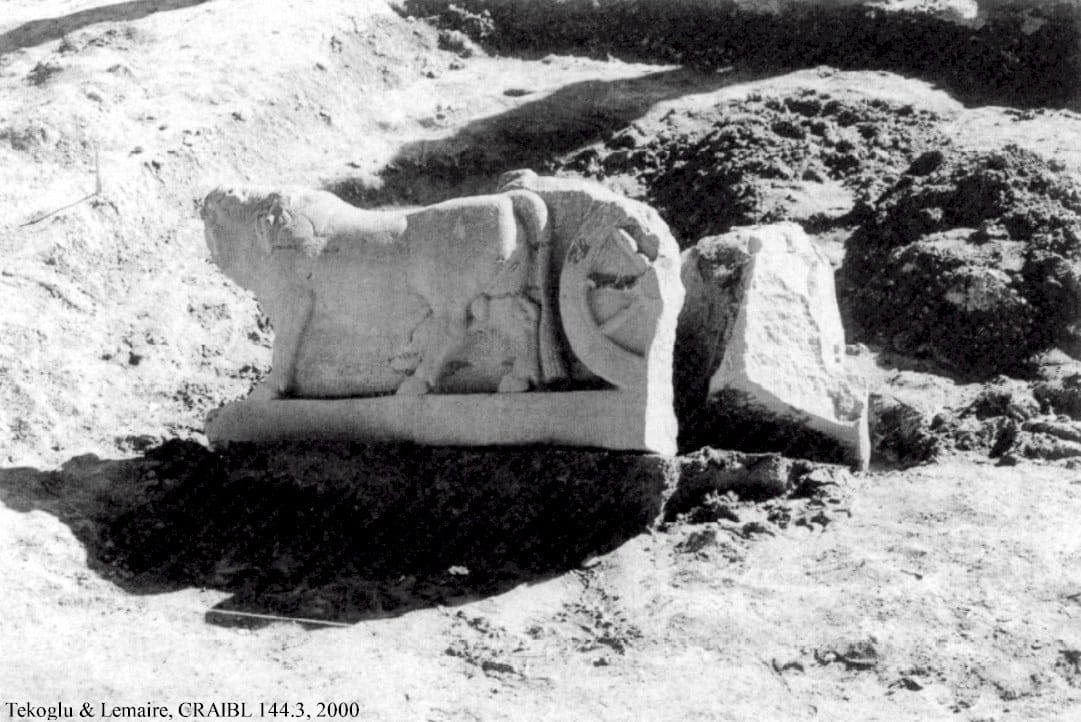
At the centre of the research stands the Çineköy bilingual inscription, whose correspondence between the Luwian designation Sura/i and the Phoenician ʾAššur provides the earliest direct epigraphic evidence linking the names Syria and Assyria. The paper further incorporates evidence from the related Karatepe bilingual inscription, the writings of Herodotus, Justin, Strabo, Pliny the Elder, Lucian of Samosata, Eusebius of Caesarea, and Jerome, together with indigenous Assyrian manuscript traditions, Syriac historiography, Christian Palestinian Aramaic manuscripts, and the works of many of the world's leading scholars, including Theodor Nöldeke, Richard N. Frye, Robert Rollinger, Stephanie Dalley, Simo Parpola, and numerous others.
One of the study's principal contributions is its extensive historiographical reassessment of the debate itself. Competing interpretations–including nineteenth-century separationist frameworks, the critiques of Jaroslav Tkatsch and Franz Rosenthal, and alternative etymological theories proposed by John A. Tvedtnes, Daniel Pipes, Hugo Winckler, John Joseph, and others–are examined critically alongside the cumulative evidence now available.
Among the paper's central observations is that the strength of the Assyria → Syria relationship does not depend upon a single inscription, ancient author, or linguistic argument. Rather, it rests upon the convergence of multiple independent lines of evidence. As the study concludes, " The cumulative evidence therefore indicates that the designations Syria, Syrian, and Syriac are best understood not as independent ethnonyms of separate historical origin, but as successive linguistic and historical developments of the earlier designation Assyria. Their evolution reflects processes of phonological change, linguistic transmission, and historical adaptation that unfolded across changing political and cultural environments without severing their connection to the Assyrian tradition from which they emerged. "
Prepared according to rigorous academic standards, fully documented with extensive references and critical analysis, the research represents a substantial contribution to the ongoing scholarly discussion surrounding the historical development of the names Assyria, Syria, and Syriac. Its interdisciplinary scope, methodological rigor, and comprehensive engagement with both supporting and opposing scholarship place it among the most detailed modern treatments of the subject. The study is intended as a resource for researchers, students, historians, and all those interested in the languages, history, archaeology, and cultural continuity of the ancient Near East.
The full research paper is now available on Academia.edu both in English and Arabic.


