The surprisingly simple method Assyrian scribes used to create clay tablets
The results of a study show that scribes did not always refine their clay, barely used fire to harden the texts, and that tablets made in the workshop coexisted with others brought from outside.
Editor's pick This post is part of hand-picked stories from across the web, curated by the editors of the Assyria Post.
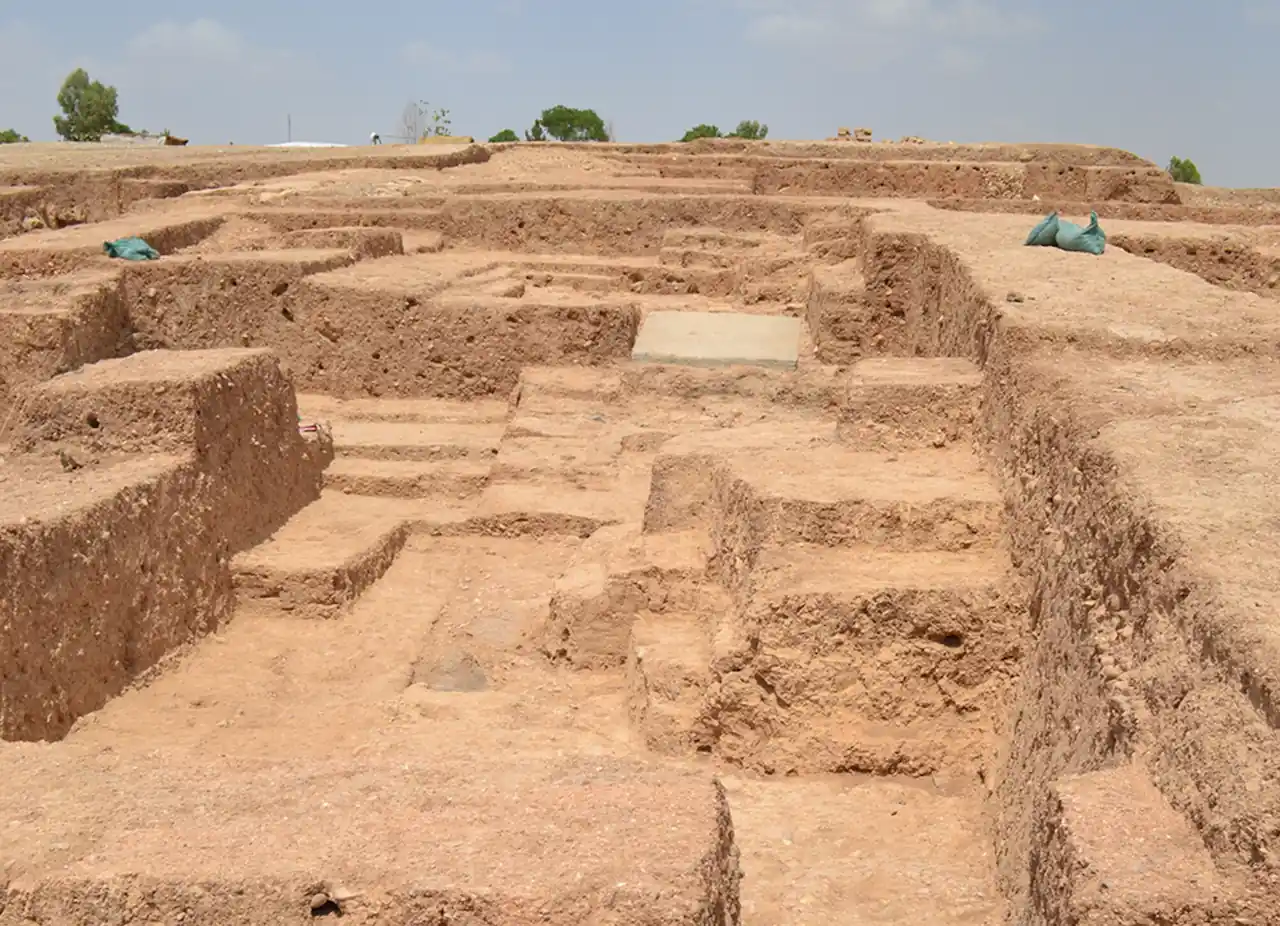
There, inside an elite residence, a room was discovered containing more than 200 broken tablets, a large block of raw clay (one meter high, 1.9 wide, and 1.6 long), and what could be a tiny bronze stylus. The context, dated just before the fall of Nineveh in 612 BCE, has been interpreted as a possible scriptorium or tablet-making workshop.
The research, led by Mathilde Jean (University of Paris Nanterre and the British Museum), analyzed in depth five of those tablets and the clay clod to answer three fundamental questions: whether all the tablets could have been made in that same workshop, which techniques the scribes used, and how to better interpret this archaeological space. The results, far from showing uniformity, reveal a surprising diversity of procedures and materials.
In a personal reflection, Assyrian-American student Sabrina Bet-Mansour draws on her family’s history of displacement and migration to examine today’s immigration policies and the growing challenges faced by those fleeing violence and persecution.
On August 7, 2026, Assyrian communities around the world observed the Day of Remembrance for Assyrian Martyrs. On this day, the victims of persecution and mass killings are commemorated, particularly those who perished during the Simele massacre in Iraq in 1933.
The best cookbooks offer more than recipes—they tell the stories of the people behind them, their heritage, and their struggles. That’s exactly what makes The Oldest Kitchen in the World by Matay de Mayee such a treasure.
New details from the Ottoman population register, which records the 1835 census in the city of Mardin, provide a precise breakdown of the city's households, showing that Assyrians made up the largest non-Muslim group.
Randy K. Abro, a 41-year-old Assyrian man from Utica, Michigan, was fatally shot at a warehouse and business plaza in Sterling Heights on October 7. A Detroit man has been charged in connection with his death, while authorities continue searching for a second suspect.


 Guillermo Carvajal