Editor's pick This post is part of hand-picked stories from across the web, curated by the editors of the Assyria Post.
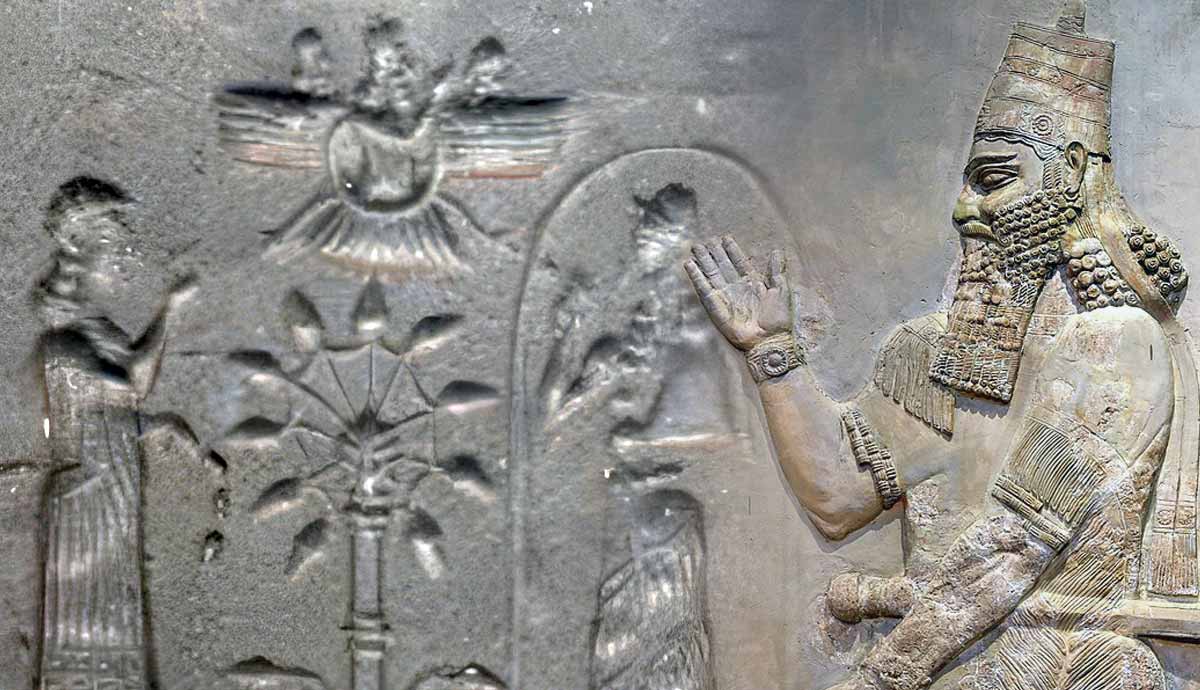
"Religious policies have been utilized by monarchies and governments for political gains since the beginning of civilization. Few have done so as successfully as the Neo-Assyrian Empire. The kings of both the Old and Middle Assyrian periods provided their successors with the powerful framework that the Neo-Assyrian rulers used to subjugate other kingdoms across the Near East and become the biggest empire the world had seen until that point. Their ideology appointed their king as the representative of the gods on earth, and the gods wanted Assyria to expand and dominate the known world."
In a personal reflection, Assyrian-American student Sabrina Bet-Mansour draws on her family’s history of displacement and migration to examine today’s immigration policies and the growing challenges faced by those fleeing violence and persecution.
On August 7, 2026, Assyrian communities around the world observed the Day of Remembrance for Assyrian Martyrs. On this day, the victims of persecution and mass killings are commemorated, particularly those who perished during the Simele massacre in Iraq in 1933.
The best cookbooks offer more than recipes—they tell the stories of the people behind them, their heritage, and their struggles. That’s exactly what makes The Oldest Kitchen in the World by Matay de Mayee such a treasure.
New details from the Ottoman population register, which records the 1835 census in the city of Mardin, provide a precise breakdown of the city's households, showing that Assyrians made up the largest non-Muslim group.
Randy K. Abro, a 41-year-old Assyrian man from Utica, Michigan, was fatally shot at a warehouse and business plaza in Sterling Heights on October 7. A Detroit man has been charged in connection with his death, while authorities continue searching for a second suspect.


 Heather Reilly