

This August the northeastern Syrian city of Qamishli marked a remarkable milestone: 100 years since its official establishment in 1926.
Known to Assyrians as Beth Zalin, Qamishli was not an ancient city that gradually expanded over centuries. Its modern history began in the turbulent aftermath of the First World War, when the borders of the Middle East were redrawn and hundreds of thousands of people were displaced by war, massacres and persecution. Among those seeking refuge were thousands of Assyrians who had survived the destruction of their communities in the Ottoman Empire. It was these refugees who would become central to the creation and development of modern Qamishli.
The modern city emerged under the French Mandate for Syria during the 1920s. The establishment of the new Turkish-Syrian border had fundamentally altered the geography of the region. Historic centres such as Nusaybin, which had long been economically and socially connected to the surrounding Gozarto region (Jazira), were now on the Turkish side of the border.
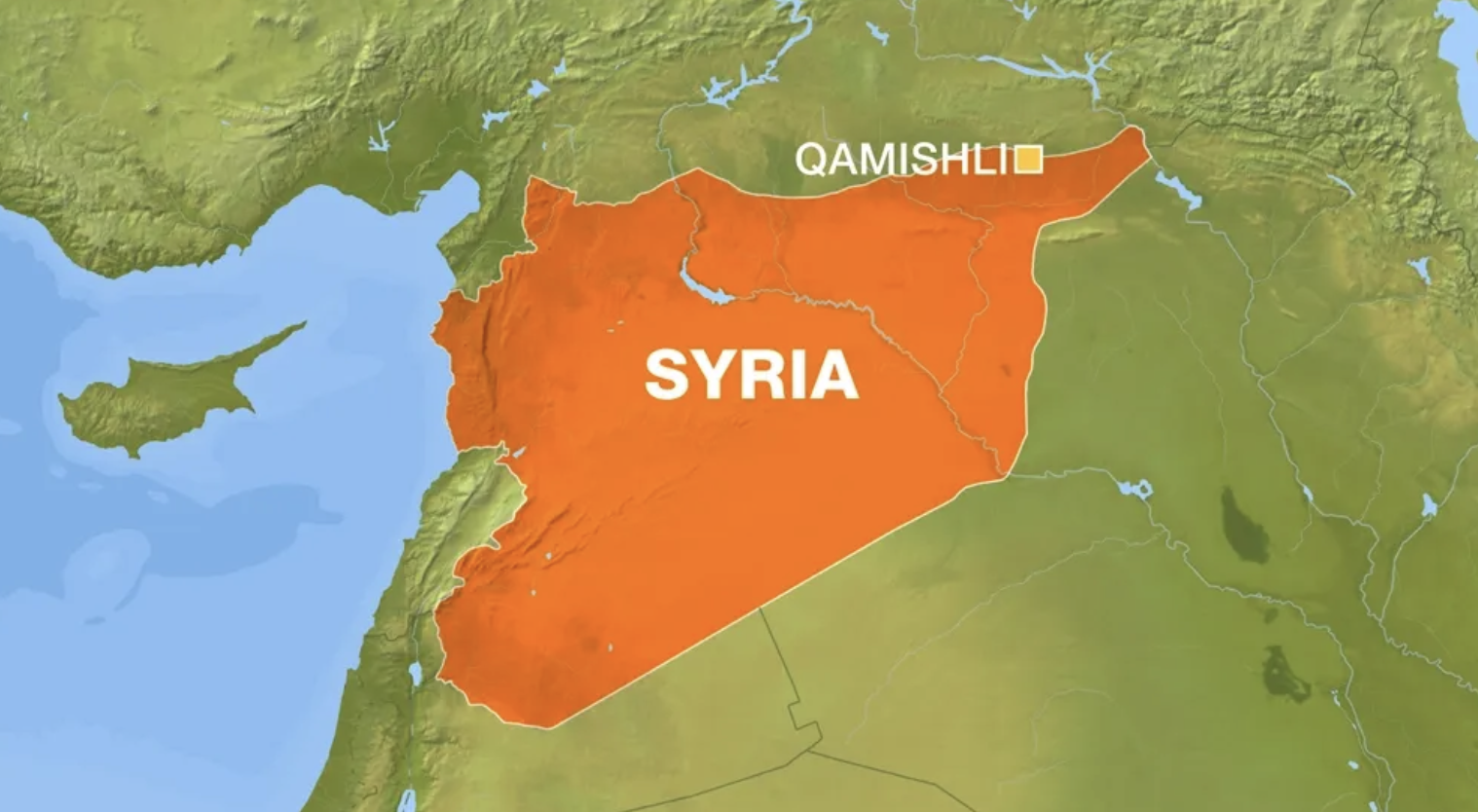
On August 20, 1926, the French established a post near Qaddour Bek, marking the decisive beginning of modern Qamishli. Contemporary centenary accounts identify this date as the city's official founding. But the people who would transform the new settlement into a city had begun arriving earlier. Assyrian refugees from historic communities in areas including Tur Abdin, Omid (Diyarbakir), Hakkari and other parts of the Ottoman Empire were among those who settled in the Gozarto region after the First World War.
For many, Qamishli represented something extraordinary: a chance to rebuild after losing their ancestral homes. The settlement that emerged along the Jaghjagh River became known among the Assyrians as Beth Zalin, a name that remains deeply embedded in Assyrian memory. The name itself means place of reeds, and Qamishli is merely the Turkish version of the exact meaning.
Historical accounts describe Qamishli as having been established by Assyrians fleeing the violence and destruction of the Ottoman period and Assyrians were among the city's principal early populations and played an especially important role in turning the new settlement into a functioning urban centre.
From refugee settlement to city
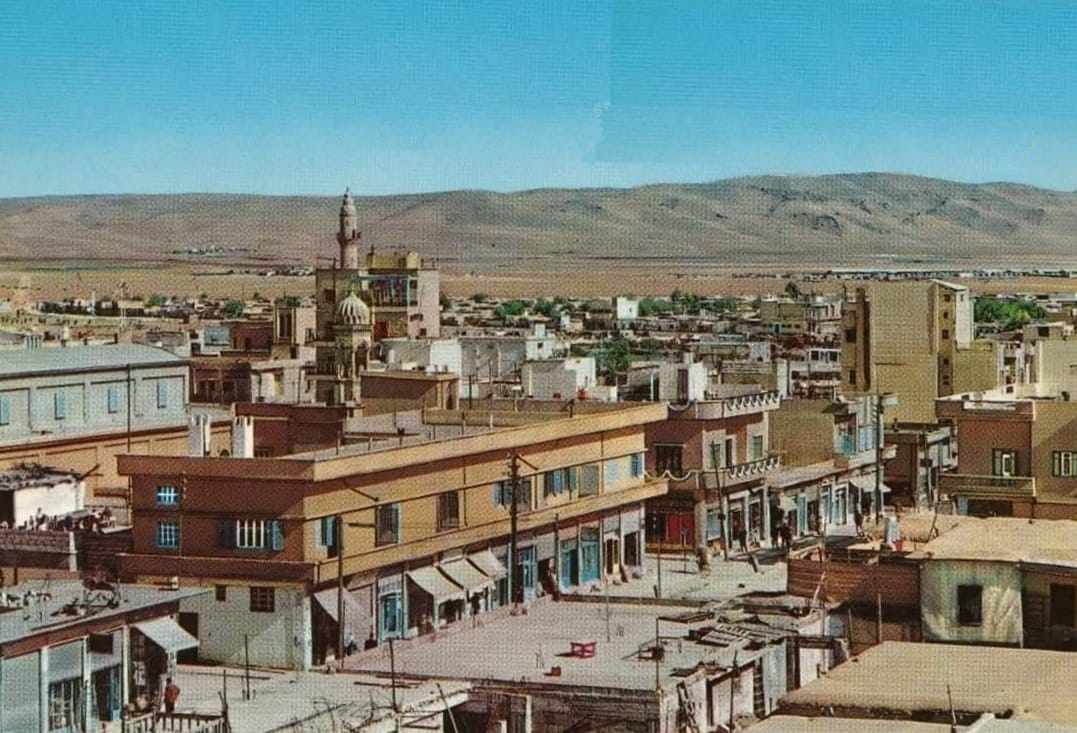
The early Qamishli was a very different place from the city visible today. In 1926, the settlement consisted largely of simple buildings surrounded by agricultural land. Recent centenary material depicts the early town as a small settlement of mud-brick houses before its rapid transformation into an urban centre.
The arrival of refugees, however, brought people with skills, experience and a determination to rebuild. Assyrians established homes, farms, businesses, churches, schools and community institutions. They cultivated the surrounding land and became deeply involved in the agricultural economy that would eventually make the Jazira one of Syria's most important agricultural regions.
Among the most prominent Assyrian figures in the city's early economic history were Masoud Asfar and his stepbrother Najjar. The two established the Asfar & Najjar company, which became heavily involved in wheat production and agricultural commerce. The enterprise played a major role in the development of the young city and, according to historical accounts, helped finance hospitals, schools and churches during the 1920s through the 1940s. This is one of the clearest examples of the Assyrian contribution to Qamishli's transformation. The refugees had arrived with little, but within a generation Assyrian entrepreneurs were helping build the economic infrastructure of a new city.
Qamishli's development accelerated further with the arrival of the railway around 1928. The railway connected the young city to wider commercial networks and enabled agricultural products and other goods to move more efficiently through the region. Qamishli's location near the Turkish border and its connection to the railway made it increasingly important as a commercial centre. The town grew around its markets, agricultural trade and emerging neighbourhoods. Schools, churches, shops and workshops followed. The refugee settlement was becoming a city.
Perhaps the most important aspect of Qamishli's early history is the transformation of its Assyrian population from refugees into city-builders. They did not merely settle in an already-established urban environment. They helped create the environment itself. Assyrian families established businesses and agricultural enterprises. Churches became centres of community life. Schools provided education to a new generation born in exile. Associations created networks of social support. The result was a vibrant Assyrian urban community that became one of the defining features of early Qamishli.
Accounts of the city's development identify Assyrians as particularly important in agriculture, commerce, education and industry. Recent centenary reporting likewise notes the longstanding involvement of the Assyrian community in industries and professions including blacksmithing, textile trading and jewellery.
A changing city
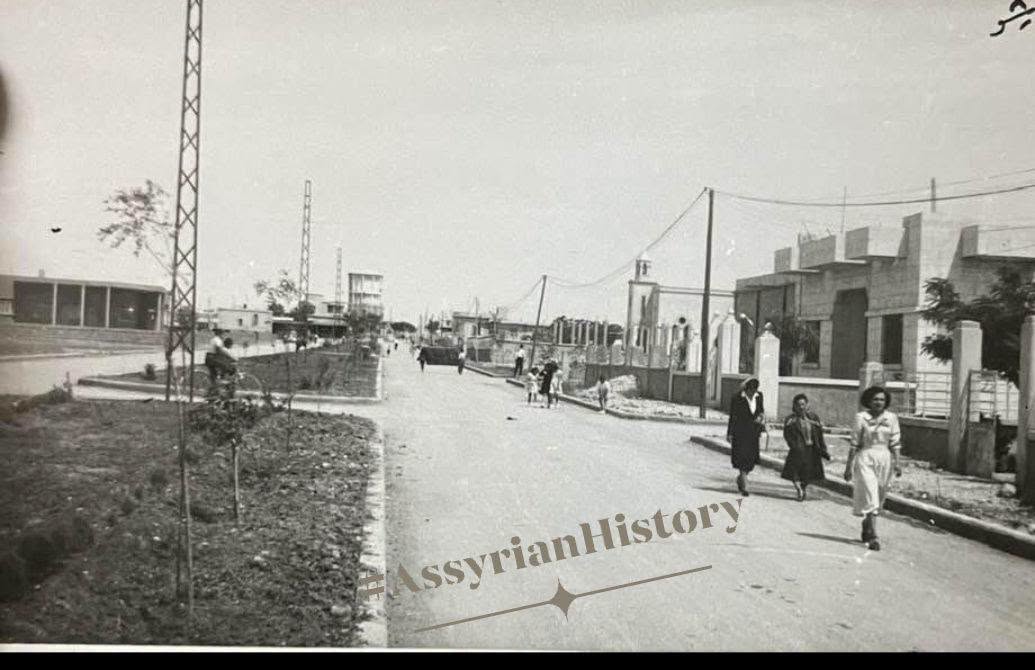
While Assyrians made up the principal population who settled the new city and were instrumental in its early economic, agricultural, educational and religious development, Armenians, Jews, Kurds and Arabs also played important roles in the city's subsequent development.
Qamishli continued to grow throughout the 20th century, but its demographic balance changed considerably. The Jewish community gradually declined as families left Syria in successive waves. Assyrians and Armenians also experienced significant emigration over the decades. At the same time, Kurdish and Arab populations became increasingly prominent in the city and surrounding region.
Political developments under the Syrian state also profoundly affected the Jazira. Policies concerning land, citizenship, settlement and demographic organization changed the social landscape of northeastern Syria. By the beginning of the 21st century, Qamishli was considerably different from the city established in 1926.
That is precisely what makes Qamishli's history so remarkable. It is a city born from one of the most turbulent periods in modern Middle Eastern history, built by people whose own histories were shaped by displacement, and transformed into a diverse urban centre through the work of successive generations.


