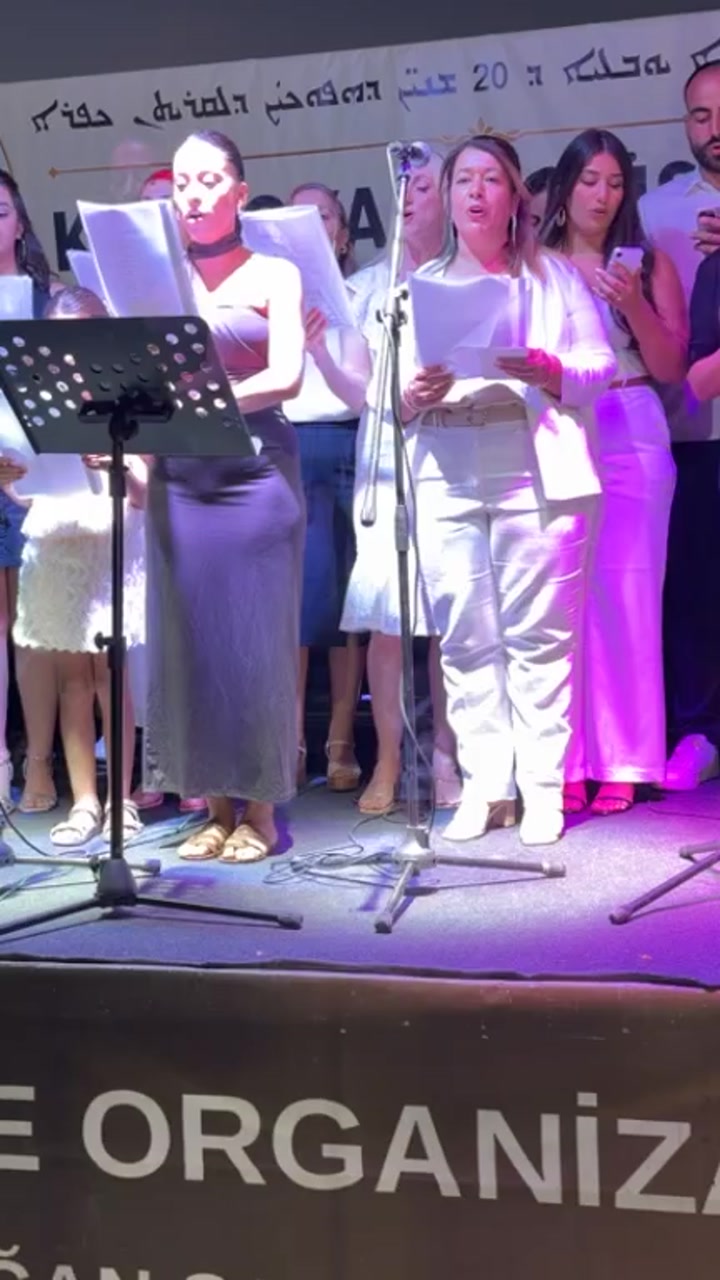
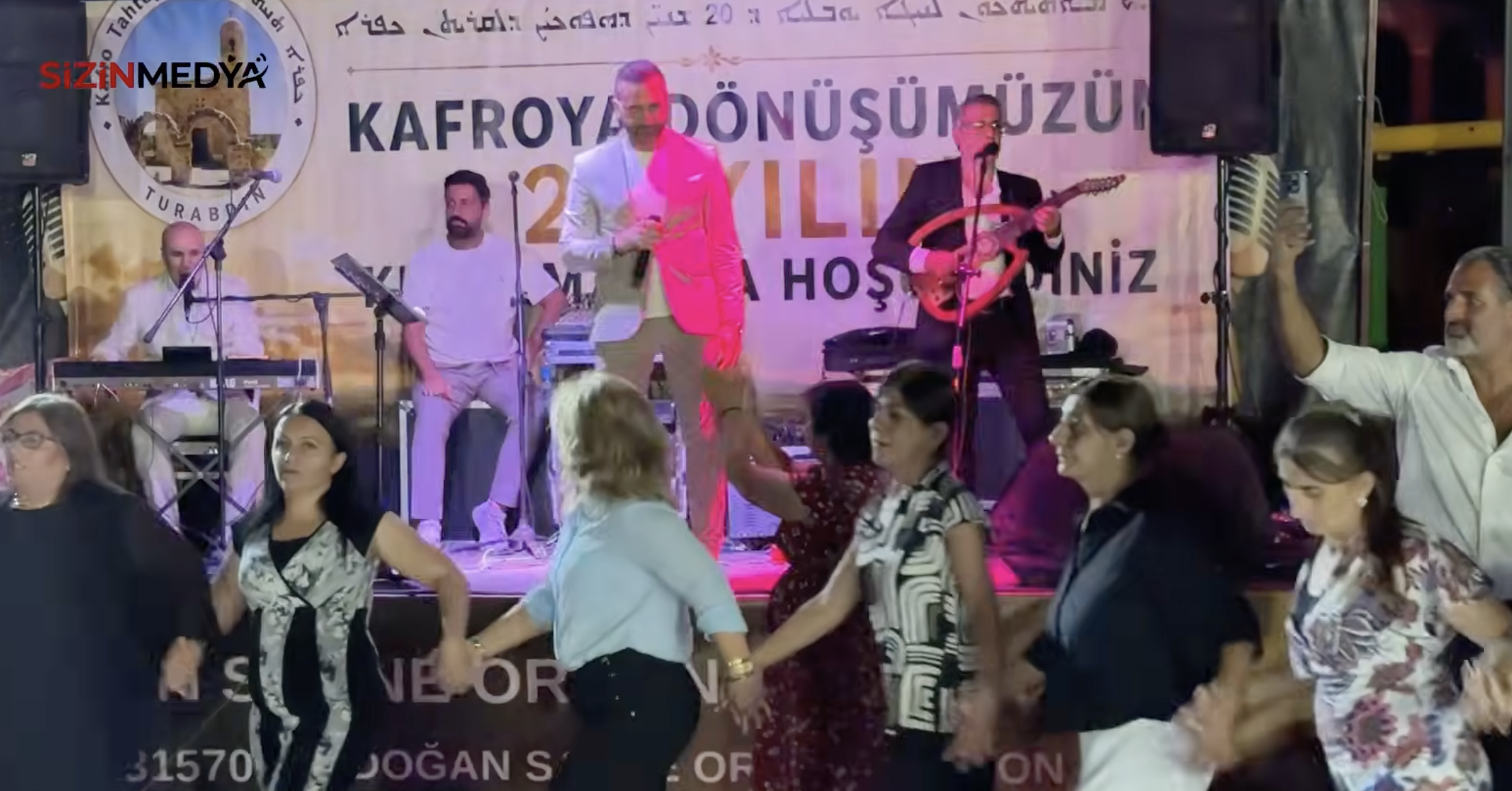
Nearly 3,000 Assyrians gathered in the village of Kafro (Turkish imposed name: Elbeğendi) on 9 September to celebrate a significant milestone: 20 years since Assyrian families began returning from the diaspora to rebuild their ancestral home. Kafro is one of few villages in the Tur Abdin Region that has remained purely Assyrian.
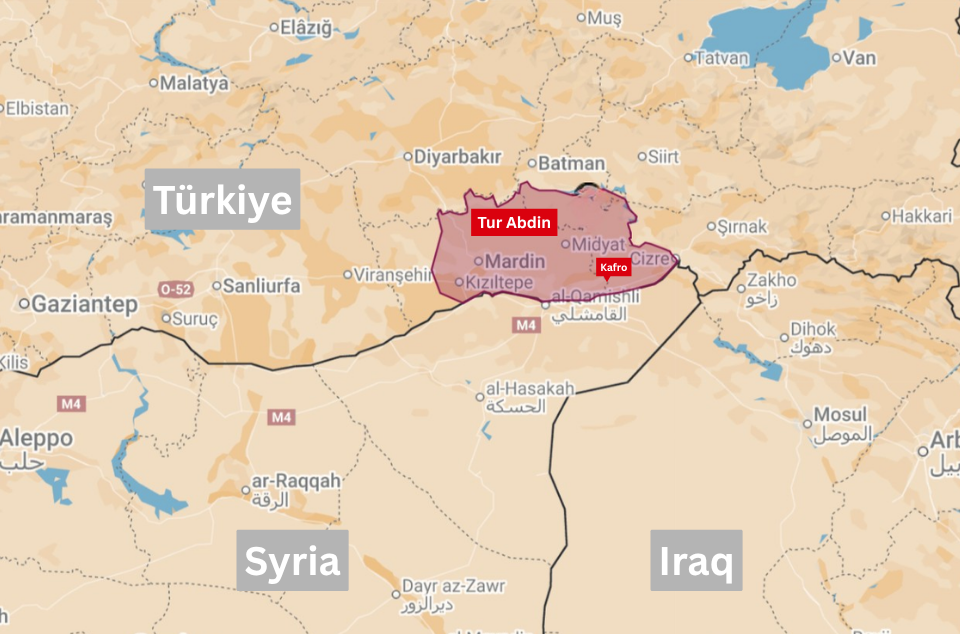
Organized by the local village association, the anniversary event marked two decades of cultural resilience, identity preservation, and hope for the strengthening of the region's Assyrian identity.
During the volatile 1980s, escalating regional conflicts forced virtually the entire population of Kafro to abandon their land and seek refuge across Western Europe, particularly in Germany, Sweden, and Switzerland. For nearly two decades, Kafro stood almost completely silent, a ghost village of crumbling stone structures.
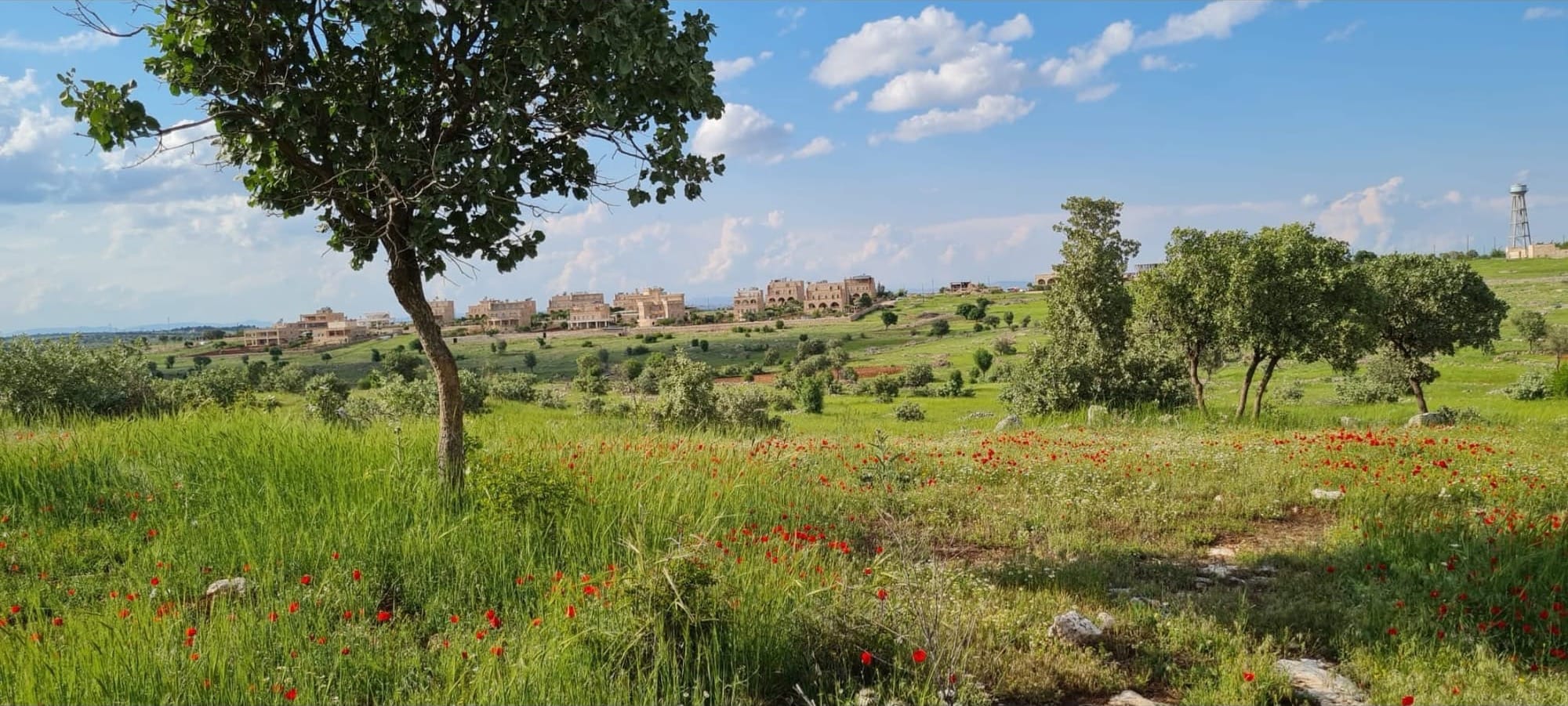
The turning point arrived in the early 2000s, culminated by a decisive move in 2006 when 14 pioneer families packed their lives in Europe and headed back to Tur Abdin. Rebuilding was an arduous endeavor. Returning residents faced a complete lack of modern infrastructure, working for five years to install basic utilities, roadways, power lines, and sewage systems. Rather than building modern concrete blocks, the villagers constructed elegant new homes using traditional Midyat limestone, harmonizing modern comfort with classical regional aesthetics. Today, more than 40 families reside permanently in the village. Kafro’s brave decision ignited a chain reaction across Tur Abdin, inspiring similar resettlement initiatives in over 30 neighboring Assyrian villages. Local visitors to the festival aptly described the initiative as "bringing spring back to the homeland," watering a seed that continues to grow across the region.
During the anniversary night, generations of Assyrians, from elderly who remembered the original exodus to youth born in European cities, danced traditional Assyrian line dances beneath the stars. Representatives of the village community shared emotional reflections during the gathering, recalling the severe lack of electricity and roads when the first families returned in 2006. They emphasized that despite the hardships, no one regrets taking the step to return to their roots and ancestral soil. Others highlighted that while the initial departure was involuntary, returning under challenging conditions required immense courage.