

Assyrian-American artist Esther Elia is bringing ancient Assyrian heritage into contemporary artistic expression through a new collection of paintings, sculptures and decorative objects that explore the evolving identity of Assyrians living in the diaspora.
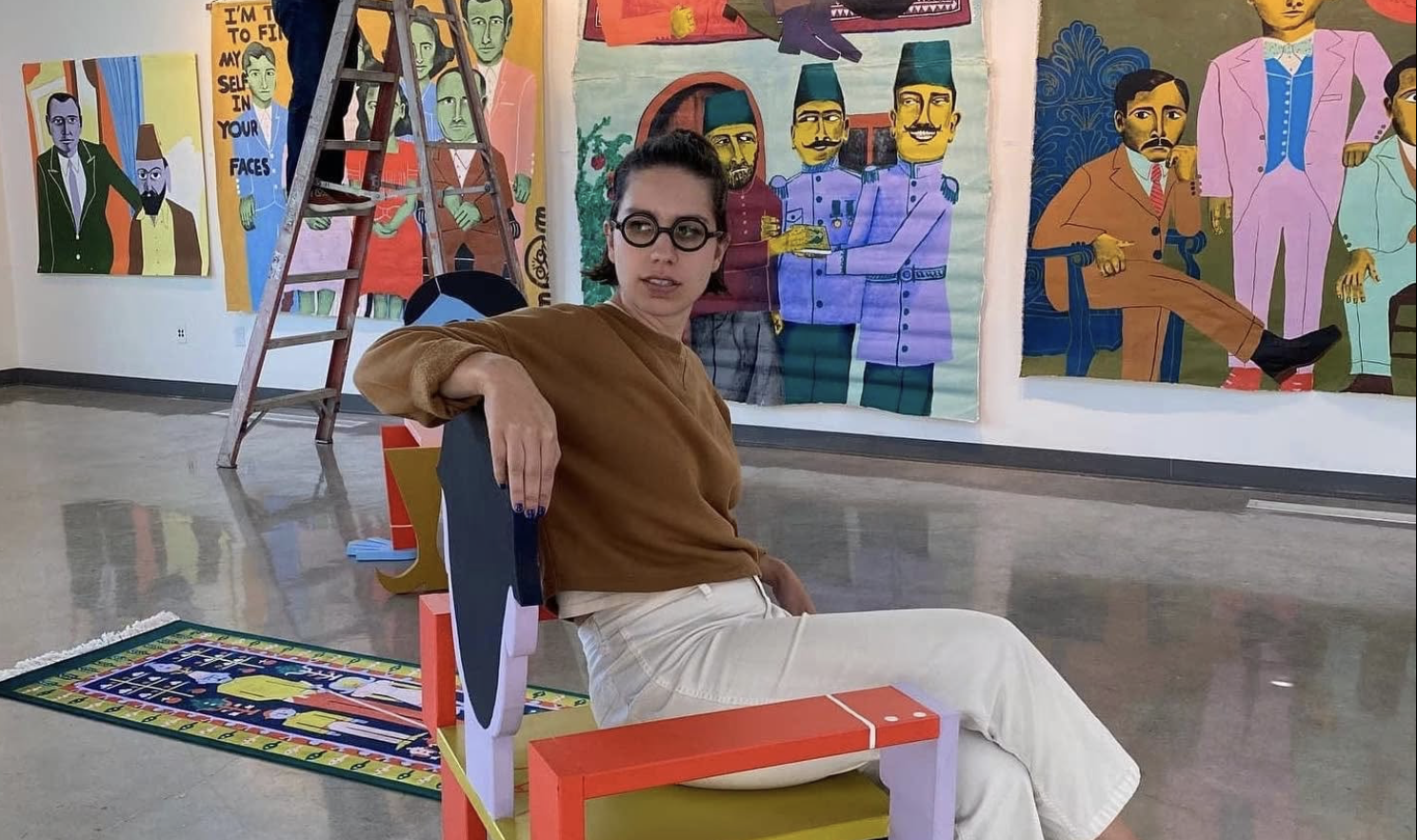
Elia's solo exhibition, titled Bazaar Ashuraya, is on display at Hecho a Mano Gallery in Santa Fe, New Mexico, until November 29. The exhibition brings together acrylic paintings, intricate tile mosaics and functional objects, drawing inspiration from Assyrian history, traditional patterns, fashion and everyday cultural life.
Of Assyrian and Irish descent, Elia uses her work to challenge the perception that Assyrian art belongs exclusively to the ancient world. Instead, her creations place Assyrian identity firmly within the contemporary experience, exploring how traditions are preserved, adapted and reinvented across generations and geographical boundaries.
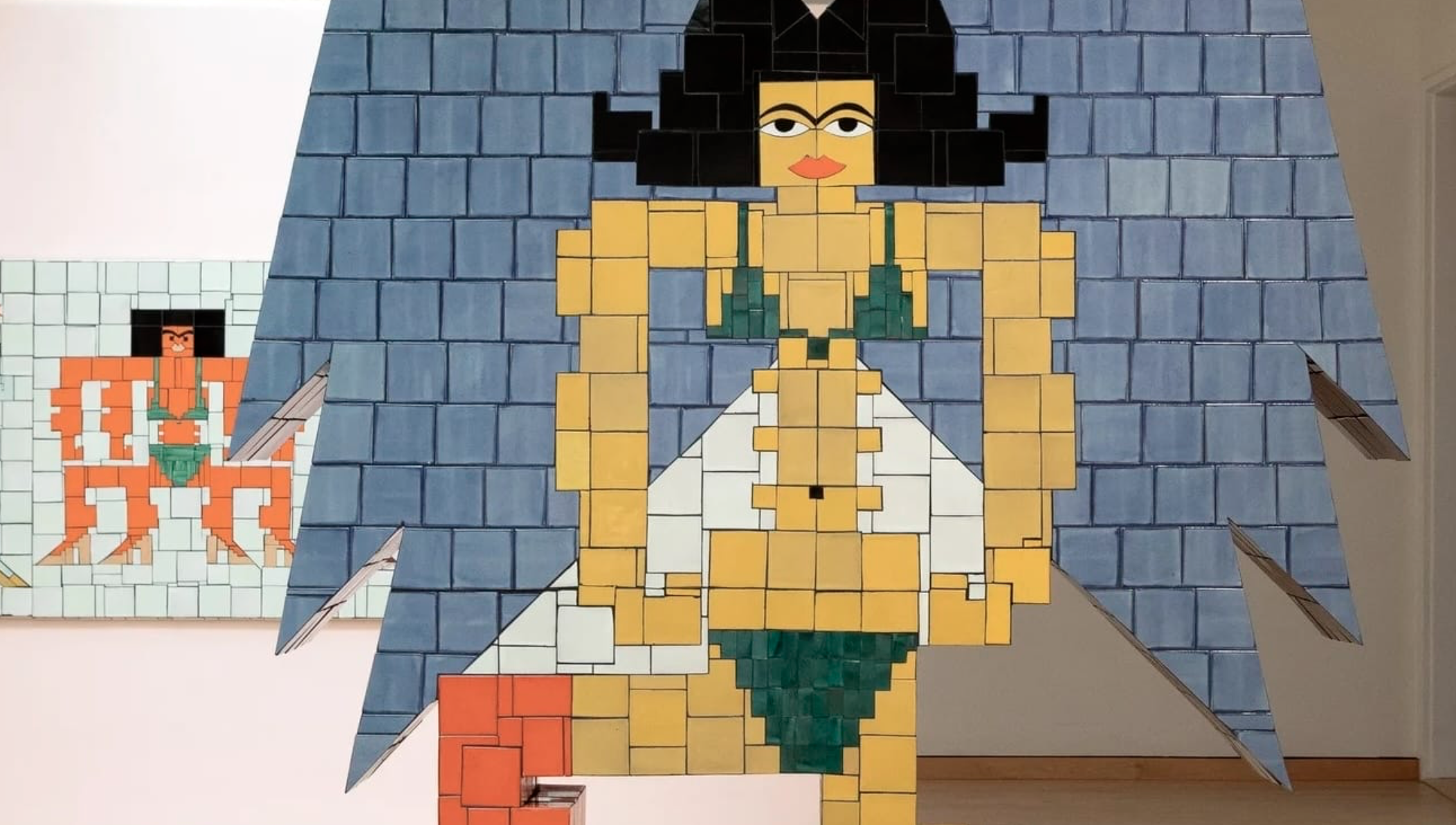
A central feature of the exhibition is a series of sculptural works Elia describes as "diasporic deities". Drawing inspiration from the ancient Assyrian lamassu — protective winged figures traditionally positioned at the entrances of cities and royal palaces — the artist reimagines these ancient guardians through contemporary materials and forms.
Constructed using Mexican tiles, grout, cement board and plywood, some of the sculptures approach life-size proportions. Mounted on wheels, the figures are designed to be moved between spaces, reflecting the experiences of displacement and uncertainty that have shaped much of modern Assyrian history.
The sculptures bring together elements of ancient Assyrian iconography with materials and artistic influences from the American Southwest, creating a visual connection between the civilisation's historical legacy and the realities of contemporary diaspora life.
The exhibition also features paintings depicting Assyrian women and cultural figures in modern clothing and familiar domestic settings. Works such as Sharrat Wearing Adidasand Esther and Zahra Wearing Farm Rio combine contemporary fashion with traditional cultural references, offering a playful but meaningful portrayal of Assyrian identity beyond conventional historical imagery.
For Elia, the concept of home is central to understanding how Assyrian culture survives and evolves.
"The home is where Assyria lives and breathes," the artist said, explaining that it is within the home that the Assyrian language is spoken, traditional food is prepared and cultural customs are maintained and developed.
She notes that although Assyrians may speak English, Arabic, Persian, French or Swedish in their everyday lives outside the home, domestic spaces remain important places where cultural identity is preserved while also adapting to new environments.
This understanding of cultural continuity is reflected throughout the exhibition, where traditional motifs and references coexist with contemporary furnishings, clothing and artistic influences.
Elia's work offers a broader reflection on the experience of a people whose history is deeply rooted in Mesopotamia but whose communities today are spread across the world. Through her art, she explores how cultural identity can remain alive even when communities are separated from their ancestral homeland.
The exhibition also highlights the importance of contemporary Assyrian artistic expression in challenging narratives that frequently confine Assyrian civilisation to archaeological discoveries and ancient imperial history.
By presenting Assyrian figures, traditions and symbols within modern settings, Elia demonstrates how an ancient cultural inheritance continues to inform the lives and creative identities of Assyrians today.
Elia, who lives and works in Albuquerque, New Mexico, has previously explored Assyrian history, family stories and diaspora experiences through painting, sculpture and large-scale installations. She was also recently selected as a 2027 resident of the John Michael Kohler Arts Center and Kohler Co.'s Arts/Industry programme.
Bazaar Ashuraya remains on view at Hecho a Mano Gallery in Santa Fe through November 29, 2026.


