

The change of the bylaws has raised questions about democratic representation, leadership accountability, and the Assyrian National Council of Illinois (ANCI) future relationship with the Assyrian community.
The controversy intensified following a recent report by Assyrian National Broadcasting (ANB), which criticized ANCI's leadership over changes to the organization's governance structure, particularly the reported discontinuation of its longstanding electoral process. The report, which seems to have been retracted, has nevertheless been backed up by other reports in Assyrian media confirming the main issues of the dispute.
According to ANB and as cited by the Assyrian International News Agency, the changes, which reportedly took effect on November 4, 2026, represent a departure from decades of community elections and could concentrate authority within a limited group of individuals. The broadcaster questioned the circumstances surrounding the changes and raised concerns about the organization's accountability to the community it was established to serve.
ANCI has rejected the allegations, describing claims that the organization serves personal interests, misuses funds, or has become someone's "private property" as false and unsupported by facts.
In a statement addressed to the community and posted on the organization's official Facebook page on November 11, ANCI said the proposed bylaw revisions are intended to establish a more formal governance framework, incorporating structures commonly used by nonprofit corporations and charitable organizations.
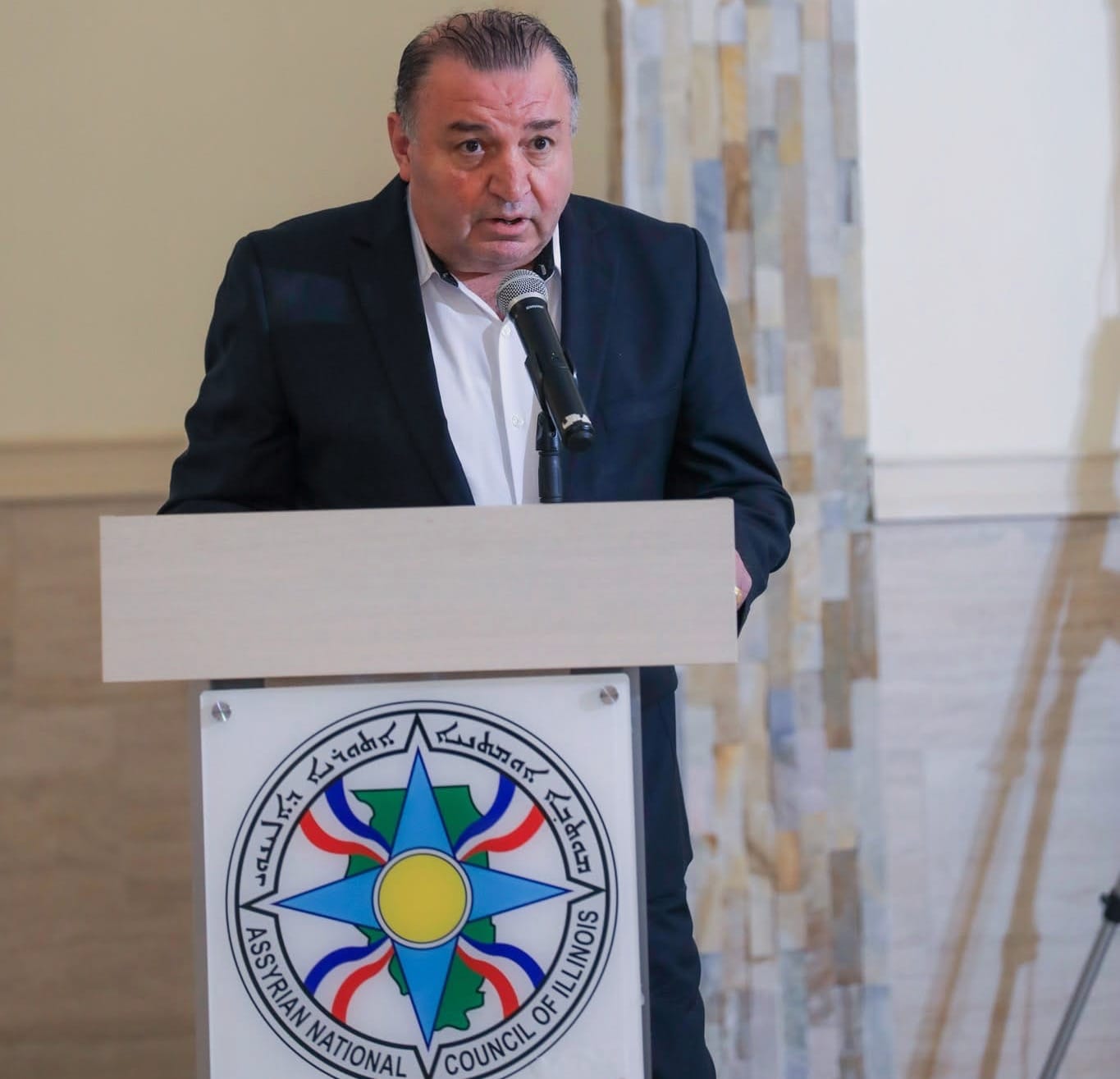
According to ANCI, the revised bylaws provide for a board that elects its directors, staggered terms of service, clearly defined responsibilities for officers and committees, and formal procedures governing meetings, financial authorization, and conflicts of interest.
The organization argues that these measures are intended to strengthen oversight, preserve institutional knowledge, and ensure continuity in the programs and services provided to the Assyrian community.
ANCI explained that staggered leadership transitions are particularly important because they prevent an entirely new board from taking office following every election, which the organization believes could disrupt ongoing programs and institutional stability.
"The proposed bylaws establish a more formal and clearly organized governance framework," the statement said, adding that ANCI's charitable mission and commitment to serving the Assyrian community remain unchanged.
However, the central question raised by critics concerns the relationship between the new governance structure and the community's longstanding role in determining the organization's leadership.
While ANCI has outlined its reasons for restructuring the board, questions remain about how community members will participate in the selection of directors and what mechanisms will ensure accountability under the revised system.
Questions over elections and community representation
ANB's criticism centers on the reported end of the electoral process that historically allowed Assyrians in Illinois to participate in determining the organization's leadership. The broadcaster described the decision as a departure from the democratic principles upon which ANCI was established, arguing that the organization risks becoming increasingly disconnected from the broader community.
ANB also questioned the authority under which the changes were adopted, the legal advice supporting the restructuring, and the status of the organization's previous governing documents. The report raised additional concerns about eligibility requirements for board participation, including language provisions that critics argue could exclude otherwise qualified members of the Assyrian community.
ANCI acknowledged that concerns have been raised about language requirements in its bylaws. The organization stated that the intention behind the provision was to advance the Assyrian community and support the preservation of its language and heritage. However, it recognized that the requirement could be perceived as exclusionary: "Modifications to this language are being considered, and we take the community's concerns seriously," ANCI said.
The dispute has also involved serious allegations concerning the organization's financial resources. ANB's reporting raised questions about the management of organizational assets and alleged that approximately $35 million may be controlled by influential individuals. It also questioned whether resources intended for community benefit had been used appropriately, raising allegations involving private investments and projects in Iraqi Assyria. ANCI categorically rejected claims of financial misconduct: "The allegations regarding misuse of funds are false and are not supported by facts," the organization stated.
A significant community legacy
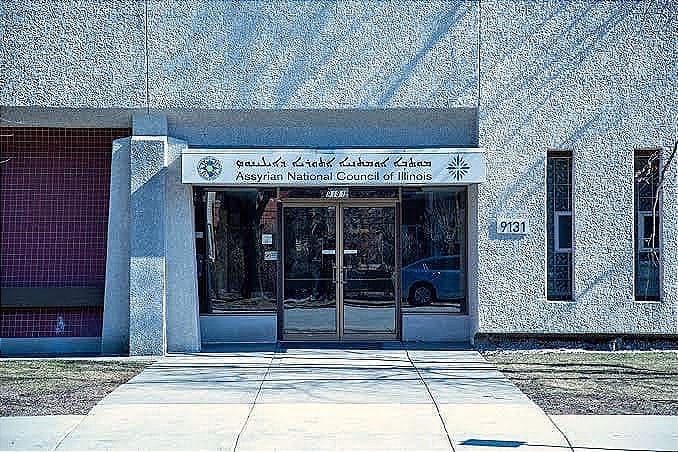
The controversy carries particular significance because of ANCI's longstanding place in the Assyrian-American community of Illinois. The organization, also known as "Motwa" (The council) in Assyrian, traces its origins to the early 1980s and was established to serve Assyrian families, assist immigrants, and provide a central institution through which the community could organize and preserve its identity in the diaspora. Its establishment is associated with the late Catholicos-Patriarch Mar Dinkha IV and the broader Assyrian national movement.
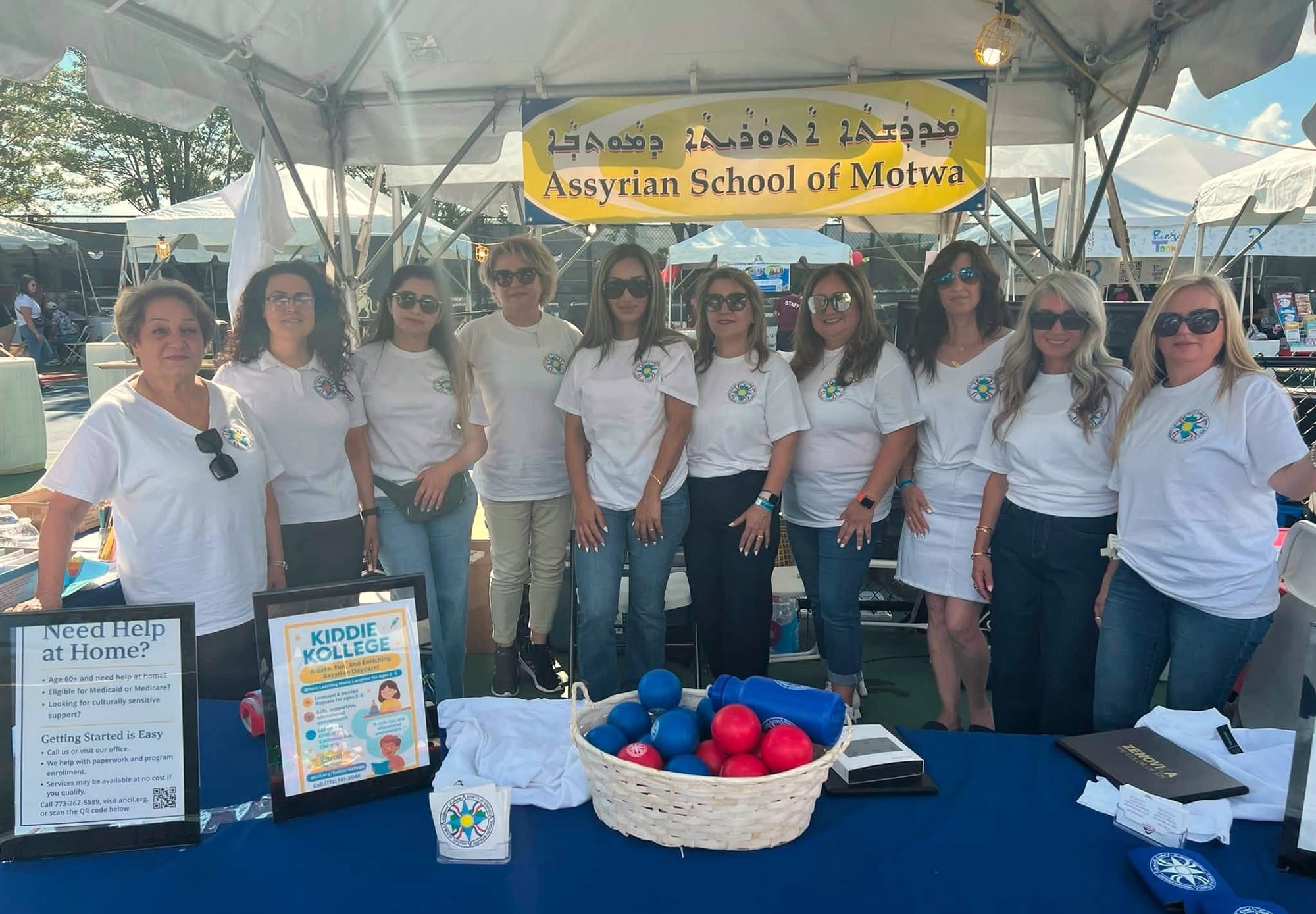
Over the years, ANCI has developed programs and services supporting seniors, families, children, and young people, alongside initiatives intended to preserve Assyrian language and cultural heritage. For many members of the community, therefore, the current dispute extends beyond a disagreement over internal administrative procedures. It raises broader questions about the ownership, governance, and accountability of institutions built through generations of community participation and support.


