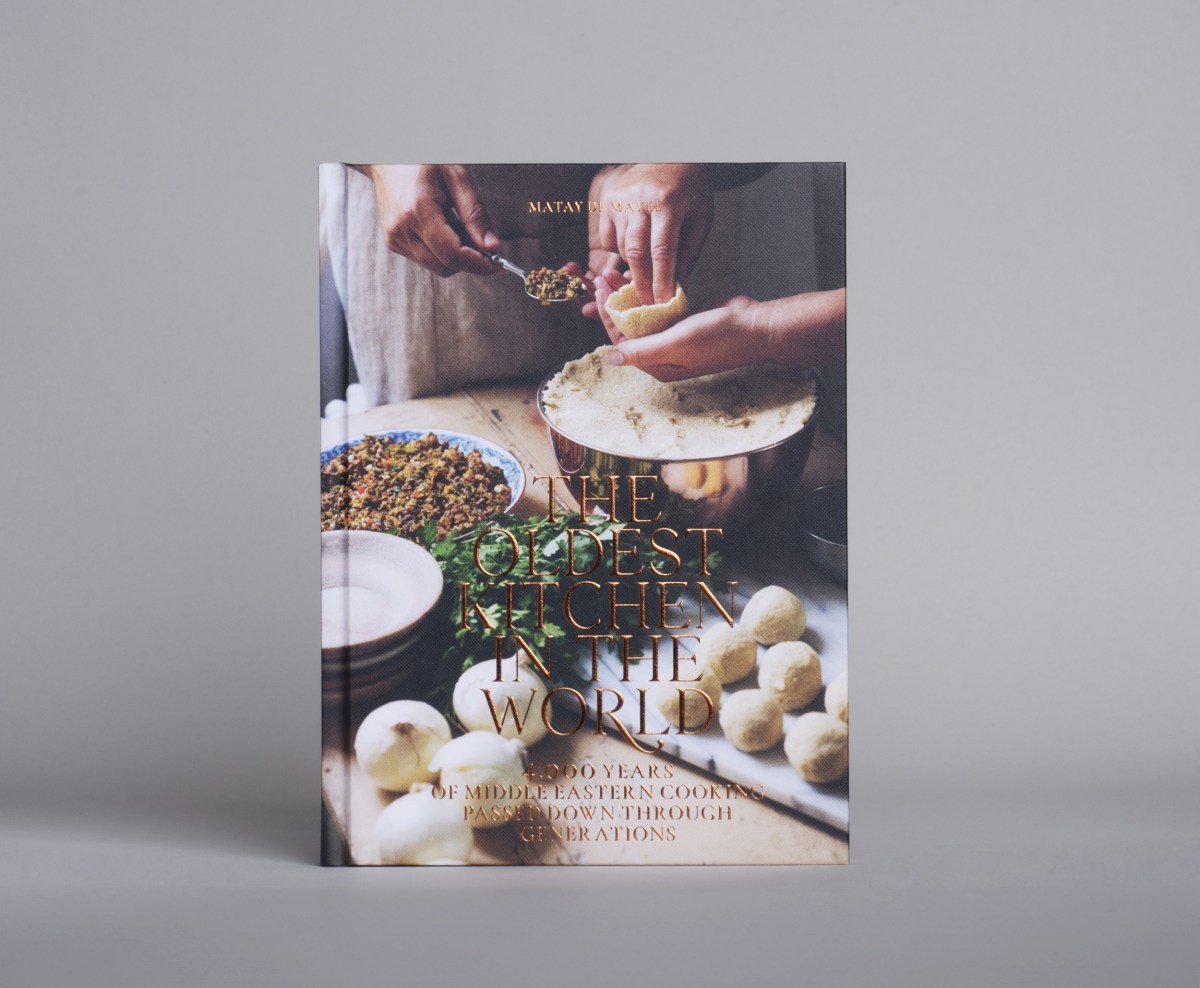
The best cookbooks offer more than recipes—they tell the stories of the people behind them, their heritage, and their struggles. That’s exactly what makes The Oldest Kitchen in the World by Matay de Mayee such a treasure.
Cookbook author Matay DeMayee is pictured with his mother Smuni. | Courtesy of Emma Peijnenburg, Claire Witteveen, and Daan Heijbroek/Courtesy of Emma Peijnenburg, Claire Witteveen, and Daan Heijbroek.
Editor's pick This post is part of hand-picked stories from across the web, curated by the editors of the Assyria Post.
"I first heard about this book from my daughter Jolie, who met de Mayee in Amsterdam when she and a friend rented an Airbnb in his home. Jolie is someone who lives for her next meal (like mother, like daughter!), so it’s no surprise that the topic of food came up when she first met de Mayee.
Having recently published his cookbook, he shared with Jolie the inspiration behind it: his mother, who he lovingly calls “the world’s best Assyrian chef.” When Jolie mentioned that her mother runs The Wine Chef (perhaps adding that I’m one of her greatest inspirations!), de Mayee’s publisher sent me a copy of this gorgeous tribute to Assyrian cooking."
In a personal reflection, Assyrian-American student Sabrina Bet-Mansour draws on her family’s history of displacement and migration to examine today’s immigration policies and the growing challenges faced by those fleeing violence and persecution.
On August 7, 2026, Assyrian communities around the world observed the Day of Remembrance for Assyrian Martyrs. On this day, the victims of persecution and mass killings are commemorated, particularly those who perished during the Simele massacre in Iraq in 1933.
In a collaboration between Ludwig Maximilian University of Munich (LMU) and the University of Baghdad, an ancient Babylonian hymn dating back over two millennia has been rediscovered and fully deciphered.
In a personal reflection, Assyrian-American student Sabrina Bet-Mansour draws on her family’s history of displacement and migration to examine today’s immigration policies and the growing challenges faced by those fleeing violence and persecution.
After years of painstaking renovation, the bells rang today over Dayro du Slibo, the "Monastery of the Cross", as hundreds gathered to celebrate the official reopening of one of Tur Abdin's most extraordinary Assyrian villages.
Historian Dr. Jonathan Valk offers a re-examination of ancient Assyrian identity, showing how one of history’s oldest continuous identities survived across millennia through radical adaptation.
More than 200 letters, photographs and family records documenting Assyrian life in the Lake Urmia region have been digitized and will soon be made widely accessible through the University of California, Berkeley.


 Lisa Denning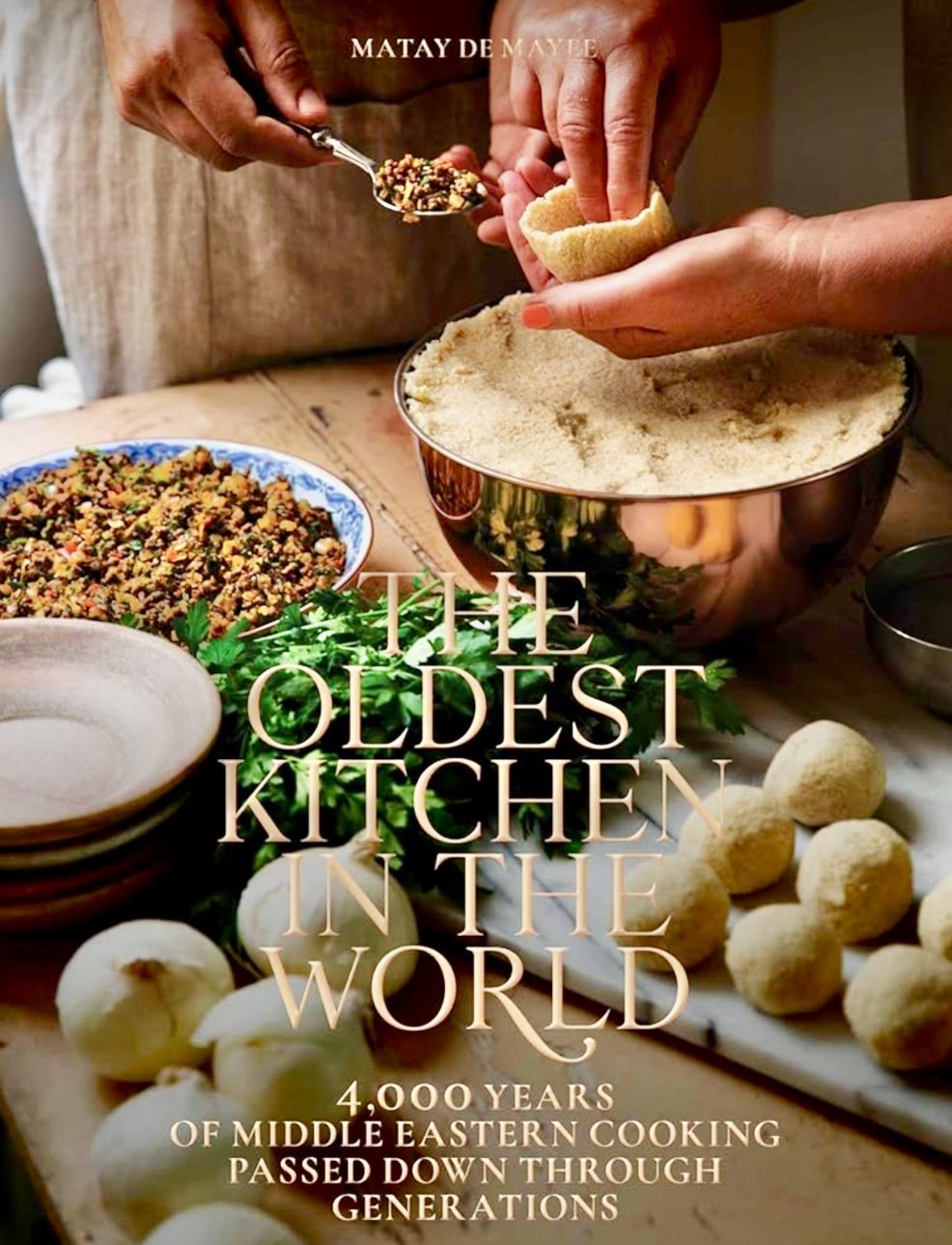
 Ramsen Shamon