Editor's pick This post is part of hand-picked stories from across the web, curated by the editors of the Assyria Post.
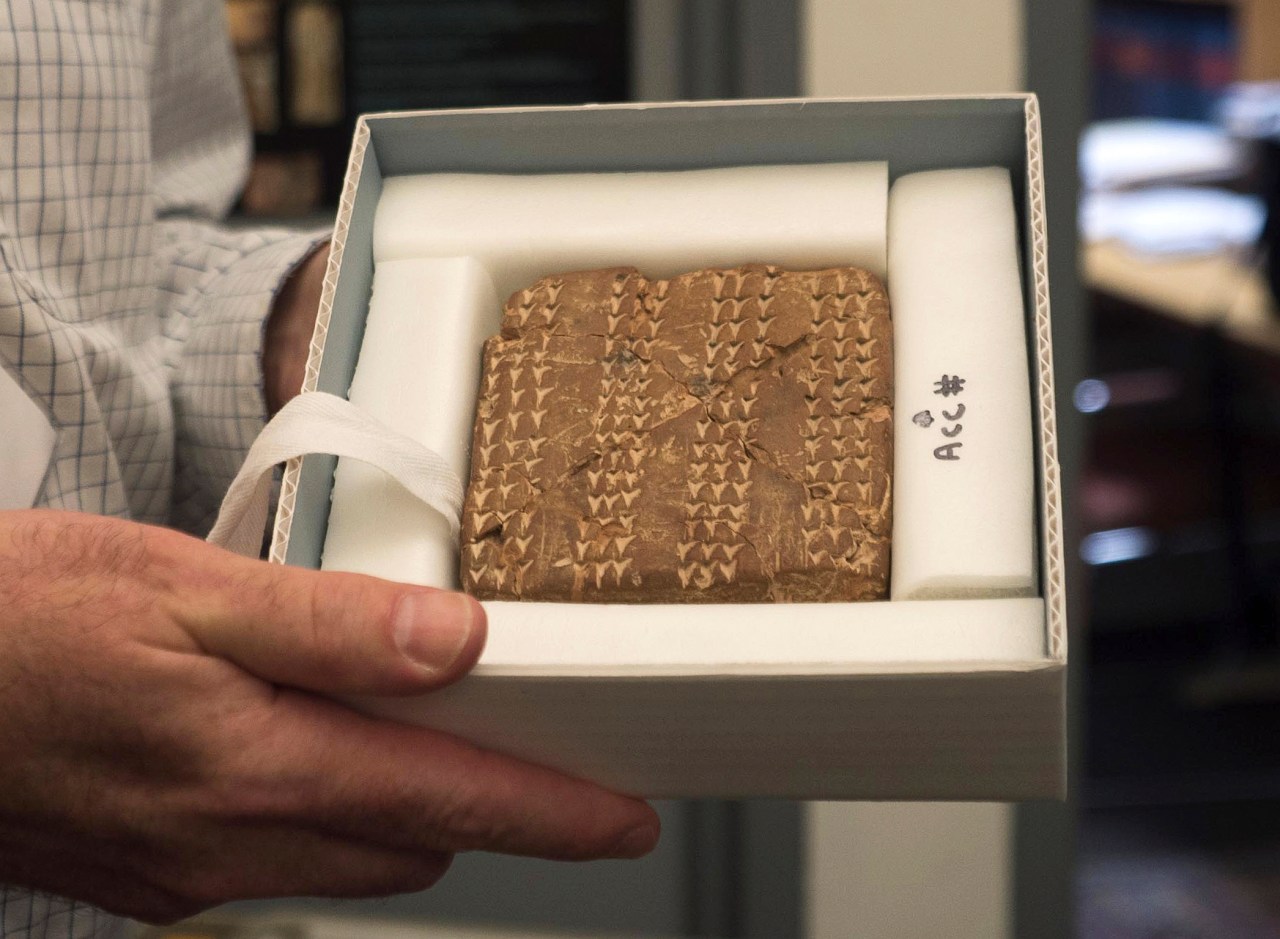
"Scientists have finally read a letter penned 4,000 years ago. Why was there such a long wait? They had to view it without cracking its secure clay envelope.
When scientists handle cuneiform documents from Ancient Assyrian and Babylonian times, extra care must be taken to preserve all parts of the artifact from the seal on the outside of the labeled clay envelope to the document within."
An Assyrian family travels to Japan in search of Mrs. Apcar, uncovering the story of an extraordinary Assyrian woman whose life connects the Assyrian diaspora with Japan’s history. A journey into a little-known chapter of Assyrian heritage and global history.
In a personal reflection, Assyrian-American student Sabrina Bet-Mansour draws on her family’s history of displacement and migration to examine today’s immigration policies and the growing challenges faced by those fleeing violence and persecution.
On August 7, 2026, Assyrian communities around the world observed the Day of Remembrance for Assyrian Martyrs. On this day, the victims of persecution and mass killings are commemorated, particularly those who perished during the Simele massacre in Iraq in 1933.
A letter sent by Pope Paul V to Shah Abbas I of Persia in November 1612 refers to Christians in Isfahan as people “who are called Assyrians or Jacobites”. The document is an interesting piece of history that helps to shed light on how Assyrians were known in the old world.
A 2,800-year-old Assyrian monument from the Lower Khabur region offers compelling new evidence of the religious, artistic, and ceremonial traditions that flourished across the western territories of ancient Assyria.
Shlama Foundation has completed a major two-phase rehabilitation project benefiting two Assyrian schools in Baghdeda (Qaraqosh), providing approximately 400 students and teachers with a significantly improved learning environment for the new school year.
Authorities in Iraq’s Nineveh Governorate have named a street adjacent to an Assyrian church in Mosul after Father Bulos Iskandar, the Assyrian priest abducted and murdered in the city in October 2006.


 Stephanie Sokol