Editor's pick This post is part of hand-picked stories from across the web, curated by the editors of the Assyria Post.
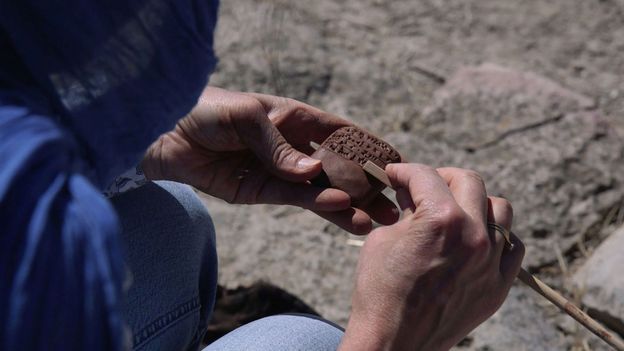
Ahaha’s letters are among 23,000 clay tablets excavated over the past decades from the ruins of merchants’ homes in Kanesh. They belonged to Assyrian expats who had settled in Kanesh and kept up a lively correspondence with their families back in Assur, which lay six weeks away by donkey caravan. A new book gives unprecedented insight into a remarkable group within this community: women who seized new opportunities offered by social and economic change, and took on roles more typically filled by men at the time. They became the first-known businesswomen, female bankers and female investors in the history of humanity.
On August 7, 2026, Assyrian communities around the world observed the Day of Remembrance for Assyrian Martyrs. On this day, the victims of persecution and mass killings are commemorated, particularly those who perished during the Simele massacre in Iraq in 1933.
The best cookbooks offer more than recipes—they tell the stories of the people behind them, their heritage, and their struggles. That’s exactly what makes The Oldest Kitchen in the World by Matay de Mayee such a treasure.
In a collaboration between Ludwig Maximilian University of Munich (LMU) and the University of Baghdad, an ancient Babylonian hymn dating back over two millennia has been rediscovered and fully deciphered.
Almost two years after his passing on September 17, 2024, the voice of Evin Agassi still echoes deeply within the hearts of many Assyrians. Agassi was more than a musician; he was a cultural bridge, a storyteller of homeland longings, and a unifying symbol for millions scattered across the globe.
Meet the man who has invested countless hours translating forgotten Assyrian magazines issued more than a century ago, and in the process discovered the thoughts and developments that continue to shape the Assyrian nation today.
A century after its official establishment, Qamishli remains one of the most important reminders of how Assyrians rebuilt their lives after the destruction of their ancestral communities in the Ottoman Empire.
The two oldest Assyrian church rites have been able to preserve their existence for more than fifteen centuries, putting them among the oldest existing organizations in the world.


 Sophie Hardach