Editor's pick This post is part of hand-picked stories from across the web, curated by the editors of the Assyria Post.
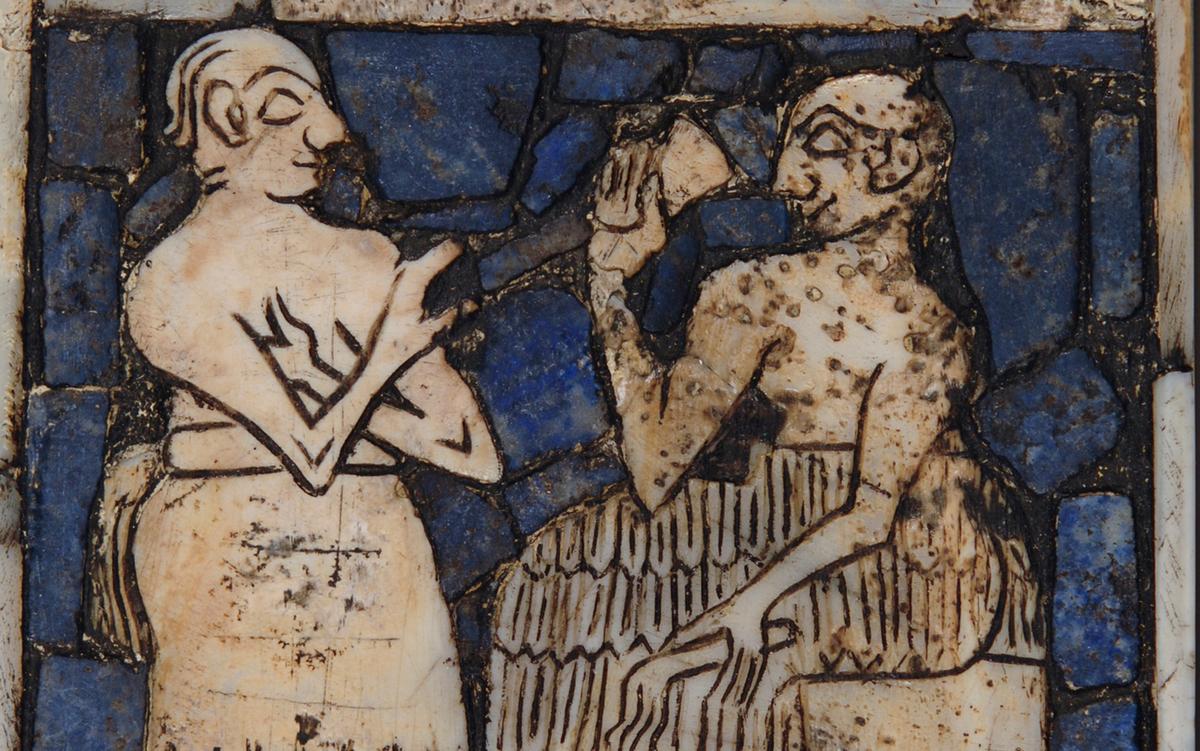
"Hundreds of thousands of clay tablets, densely packed with cuneiform characters, testify to more than three millennia of history in Mesopotamia. And thousands of those tablets testify to more than three millennia of beer. They allow us to peer into the minds and mouths of our beer-drinking forebears – what kind of beverages they preferred, how these beverages were made, what they meant to people. Thanks to more than a century of archaeological excavation, we can also bring these documentary sources into conversation with other remains – architecture, ceramics, stone tools, cylinder seals, carbonised seeds – that allow us to look beyond what was put down in writing. We can, for example, take a virtual tour through the spaces where beer was brewed, reconstruct the brewer’s toolkit (and use replica vessels to brew some beer ourselves), or sneak a peek at exclusive elite banquets through the eyes of ancient artists."
In a personal reflection, Assyrian-American student Sabrina Bet-Mansour draws on her family’s history of displacement and migration to examine today’s immigration policies and the growing challenges faced by those fleeing violence and persecution.
On August 7, 2026, Assyrian communities around the world observed the Day of Remembrance for Assyrian Martyrs. On this day, the victims of persecution and mass killings are commemorated, particularly those who perished during the Simele massacre in Iraq in 1933.
The best cookbooks offer more than recipes—they tell the stories of the people behind them, their heritage, and their struggles. That’s exactly what makes The Oldest Kitchen in the World by Matay de Mayee such a treasure.
Newly appointed Iraqi Prime Minister Ali al-Zaidi visited the Chaldean Patriarchate in Baghdad on 26 May to congratulate the newly elected Patriarch of the Chaldean Catholic Church, Mar Paulos III Nona, following his confirmation by the Holy See and ahead of his official enthronement.
The Assyrian Democratic Movement (ADM) has issued a statement on Saturday condemning the reactivation of a controversial land distribution project and the legalization of informal settlements in the Tel Keppe District, in the Nineveh Plain Region.
There has been a surge of AI-generated music online over the past few months, including AI covers of old songs, entirely new tracks, and even the emergence of Narina Sarkis and Remos Ashuraya, believed to be the first-ever Assyrian AI singers.
The patriarchate of the Chaldean Catholic Church revealed in a letter made public on 22 February that church property in the diocese of Urmia in western Iran had been sold illegally by a deacon serving as the diocesan procurator.