

In the dusty borderlands of the 6th-century Byzantine Empire, a man dressed in soot-stained rags walked thousands of miles. To Roman soldiers, he was invisible–just another transient in a fractured empire. But to the Assyrian faithful of the Syriac Orthodox Church, this man, Jacob Baradaeus (Ya’qub Burd’ono), was the clandestine architect of survival.
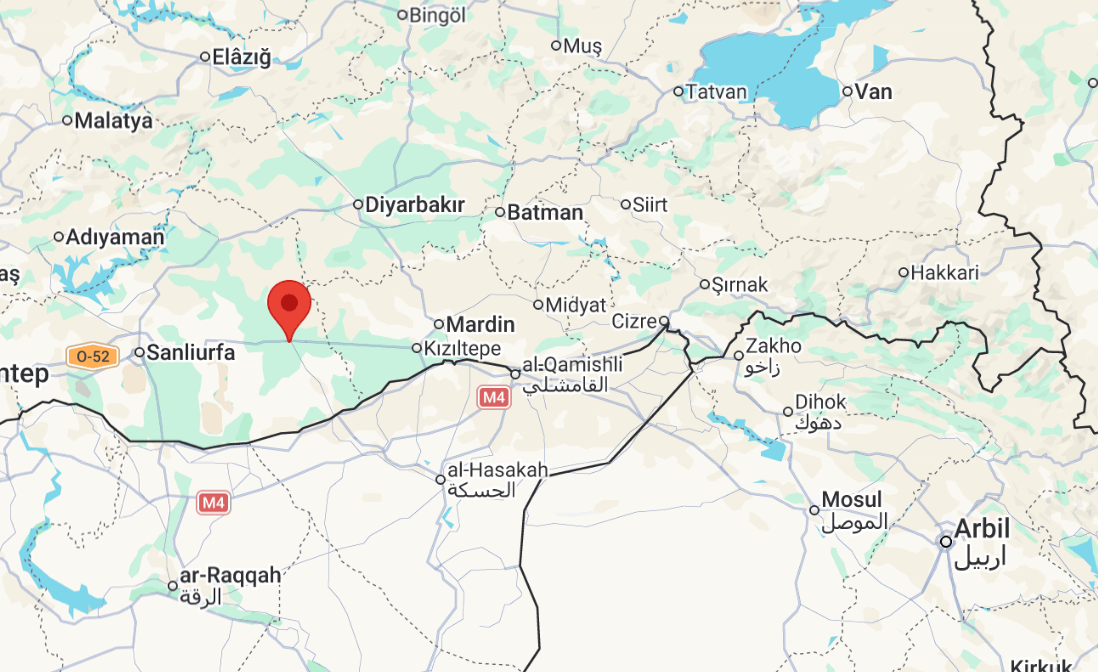
Jacob was born around the turn of the 6th century in Tella (also known as Constantina). While Tella was then a significant city in the Roman province of Osroene, its ruins lie today near the town of Viranşehir in southeastern Turkey.
Following the Council of Chalcedon in 451 AD, the Christian world split. The Byzantine state, under Emperor Justinian I, enforced "Chalcedonian" orthodoxy, leading to the systematic persecution of those holding Miaphysite views. By the mid-5th century, the Syriac hierarchy was decimated; bishops were exiled, and the priesthood was dying out.
Jacob’s mission required total secrecy. His very name, "Baradaeus" (derived from the Syriac Burd’ono), comes from the barda’tha–a coarse, patched-together saddlecloth or beggar's rag he wore to remain unrecognizable.Because his ordinations were considered illegal and a threat to the state, Justinian I issued an active warrant for his arrest. To evade imperial authorities, Jacob lived a life of constant flight. Contemporary historical accounts paint a vivid picture of a man sleeping in caves and stables, crossing borders in his beggar's disguise to stay one step ahead of the imperial police while traversing territory from Egypt to Persia.
Under this cloak of poverty, Jacob achieved what seemed impossible. He restored the churche's hierarchy as he consecrated 27 bishops and two patriarchs, ensuring the continuity of the apostolic succession during a time when the leadership was nearly extinct. Ancient sources, such as the biographies by John of Ephesus, famously claim Jacob ordained over 100,000 priests and deacons. While modern historians view this specific number as a symbolic expression intended to illustrate his tireless devotion, the "core truth" remains: the sheer, massive volume of his secret ordinations was the decisive factor that allowed the church to survive.
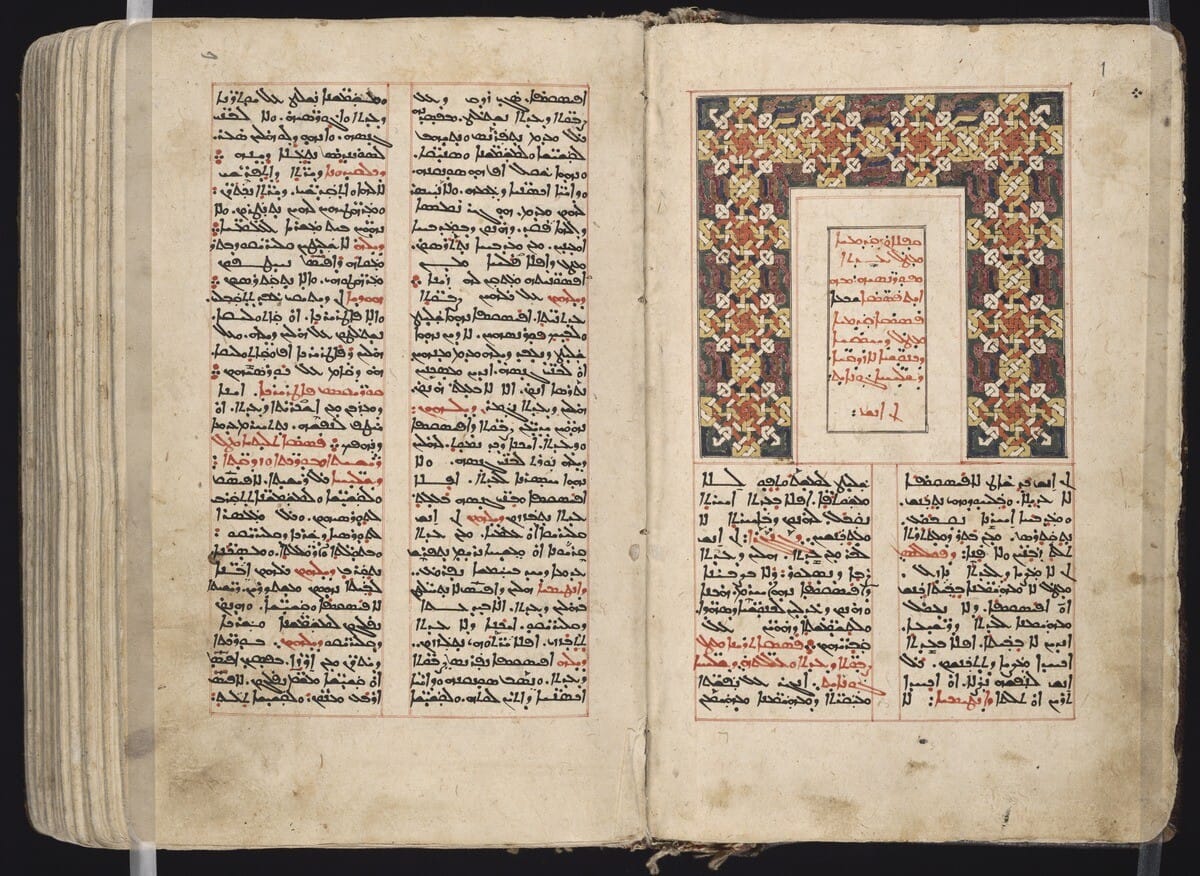
While the Syriac-Orthodox Assyrians revere Jacob as a savior, the term "Jacobites"–coined by outsiders–remains a point of contention. For the community, this label is often rejected because it suggests the church was a new sect founded in the 6th century. "We are not a sect started by Jacob," is the firm historical and theological stance. "We are an Apostolic Church founded in Antioch by St. Peter." For the faithful, Jacob Baradaeus did not "found" the church; he was the bridge that allowed its ancient apostolic flame to survive a dark age of persecution.
Beyond his historical role, Jacob’s humble and modest lifestyle serves as a powerful symbolic model for many Christians today. In an era dominated by materialism and consumption, his life of "holy poverty" is a reminder of the true values of existence. Jacob demonstrated that one does not need wealth or status to change the course of history. His willingness to renounce comfort for the sake of his community and faith serves as an invitation to modern society to step back from material excess and focus on spiritual endurance and service to others.
Jacob Baradaeus died in 578 AD, but the church he stitched together in the shadows remains a vibrant global community today. He stands as the ultimate symbol of resilience–a man who proved that faith can endure even when hidden beneath the rags of a beggar.


