

Jonas Sjöstedt, a member of the Left group in the European Parliament (GUE/NGL), posted a video on his Instagram account on 14 January expressing support for the Kurdish YPG militia. Speaking in Swedish, with a YPG flag visible behind him, Sjöstedt stated: “The Islamic government is attacking Kurds and Christians in Aleppo.”

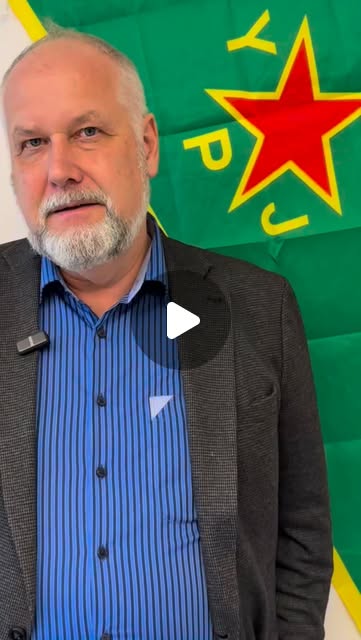
The claim is not supported by available information. There have been no reports of Syrian government attacks targeting Christian communities in Aleppo, including the city’s Assyrian population, in connection with the military campaign to drive out the YPG militia from the city. The Post contacted Sjöstedt by email seeking clarification regarding the basis of his statement but had received no response at the time of publication.
Sjöstedt, a former leader of Sweden’s Left Party (Vänsterpartiet), is known among Swedish-Assyrians for his longstanding support of Kurdish political causes. While he has previously spoken out against Turkish policies affecting Assyrians, he has not publicly addressed documented abuses committed by Kurdish armed groups against Assyrian communities.
His statement reflects a broader narrative often employed by Kurdish political and armed groups, which frames opposition to Kurdish militias as attacks on Kurds as a whole, often deliberately including Assyrians in the equation. Critics argue that this framing is used to generate international sympathy by presenting Kurdish forces as protectors of Assyrians and others, despite the complexity of the situation on the ground.


