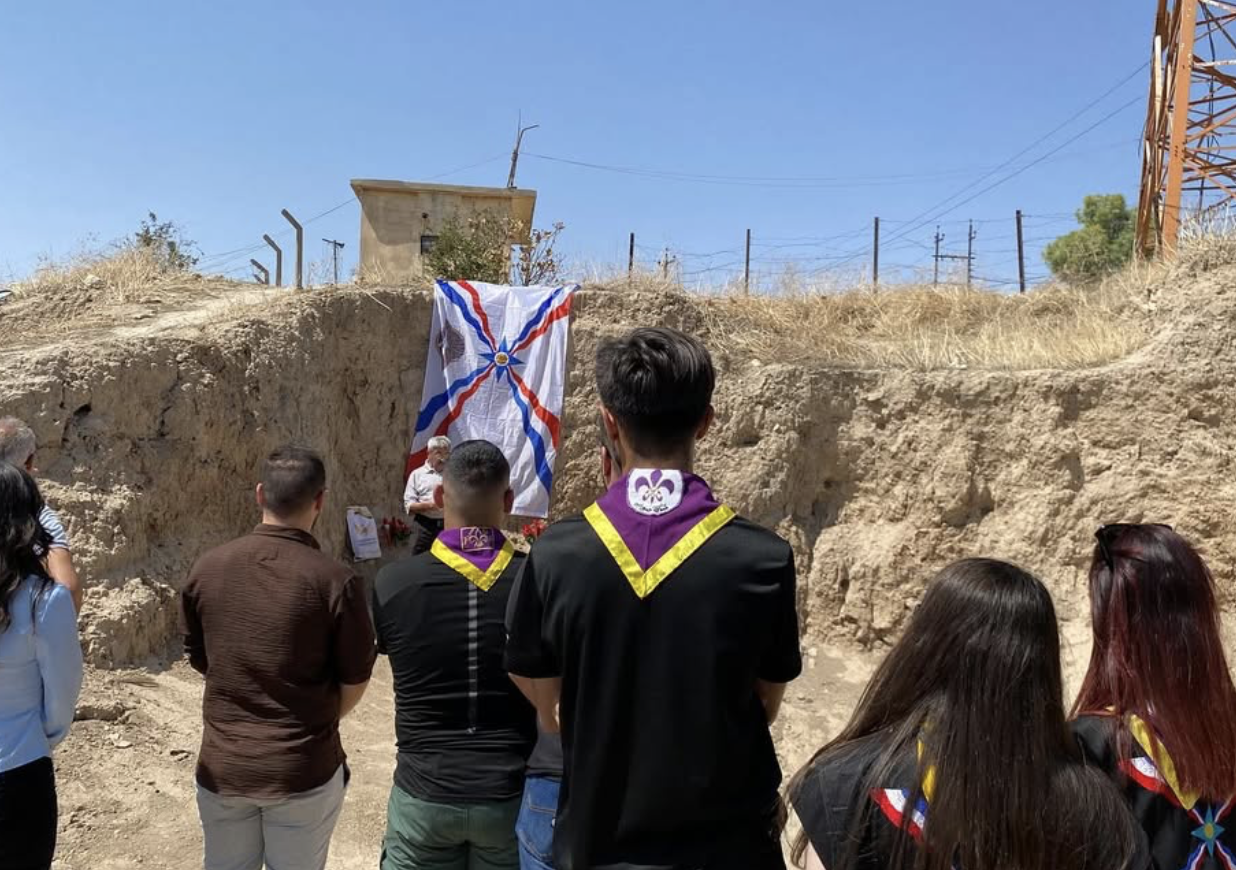
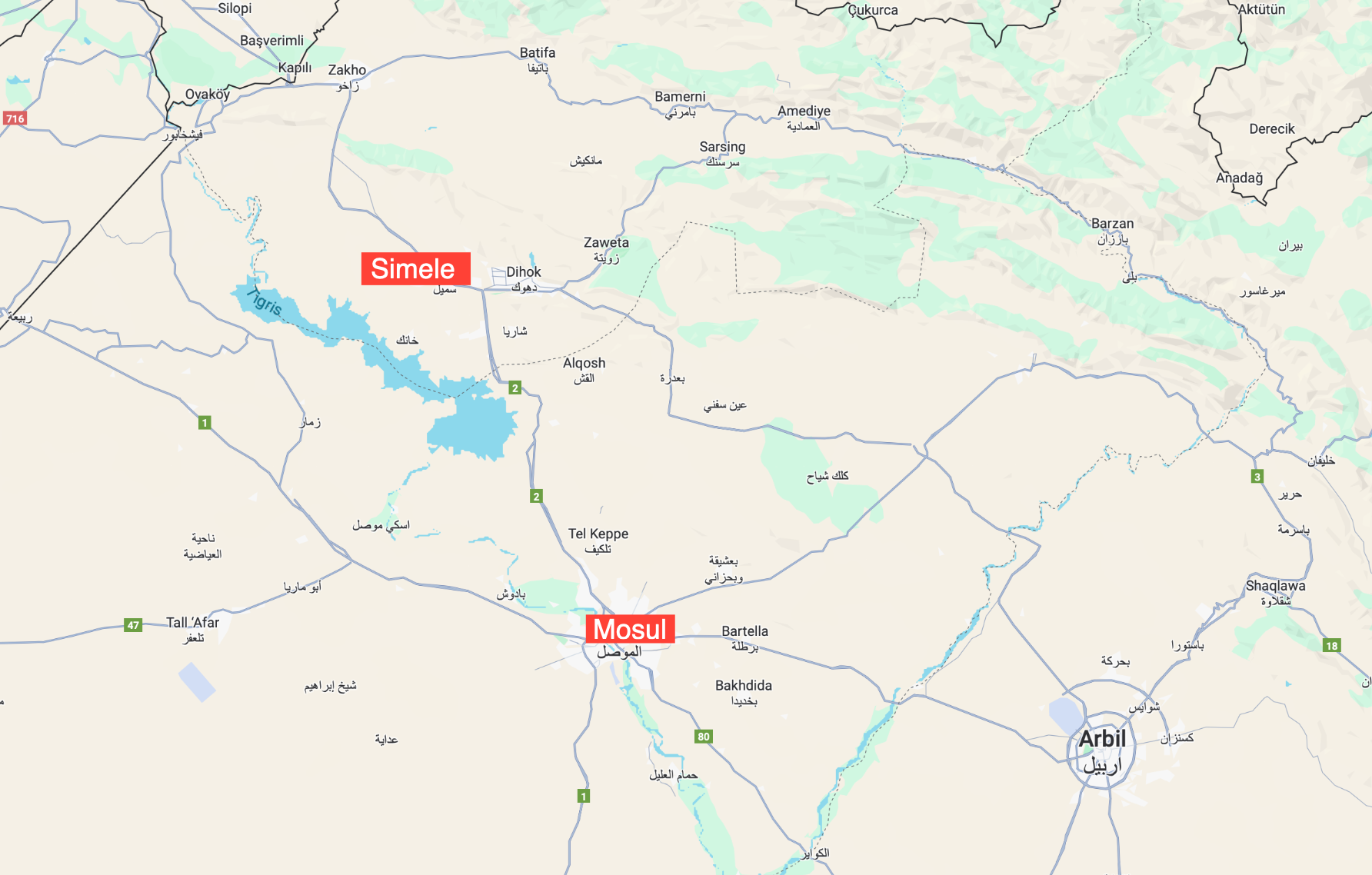
Nine Assyrian organizations in Iraq have announced a joint plan to erect a monument in the city of Simele to honor the victims of the 1933 massacre of Assyrians. The plan was outlined in a written statement issued on August 20.
According to the statement, the first step will be a field visit to the land allocated for the monument in Simele by the Nohadra (Duhok) governorate in 2019, in order to survey the site.
As a second step, the signatories call on the diaspora to become involved and support the project financially and in other ways.
The signatories, which include the Assyrian Democratic Movement and its affiliated youth, development, and women’s organizations, aim to have the monument completed in time for next year’s Assyrian Martyrs Day on August 7.
The Iraqi state has yet to officially recognize the Simele massacre.
A century after its official establishment, Qamishli remains one of the most important reminders of how Assyrians rebuilt their lives after the destruction of their ancestral communities in the Ottoman Empire.
Hundreds of members and supporters of three Assyrian political parties gathered in the Nineveh Plains town of Tel Keppe on Wednesday to protest what they described as ongoing demographic change, land seizures, and violations of property rights.
A growing number of Assyrians are returning to spend their summers reconnecting with family, heritage, and community. At the heart of this revival are the village bed-and-breakfasts that have become gateways home for Assyrians from across the diaspora.
The Assyrian Monitor for Human Rights has issued a statement condemning what it describes as arbitrary detention practices carried out by members of the Kurdish Asayish security forces in Qamishli, calling for the immediate release of four Assyrian detainees, including a German national.
More than 200 letters, photographs and family records documenting Assyrian life in the Lake Urmia region have been digitized and will soon be made widely accessible through the University of California, Berkeley.
Almost two years after his passing on September 17, 2024, the voice of Evin Agassi still echoes deeply within the hearts of many Assyrians. Agassi was more than a musician; he was a cultural bridge, a storyteller of homeland longings, and a unifying symbol for millions scattered across the globe.
A century after its official establishment, Qamishli remains one of the most important reminders of how Assyrians rebuilt their lives after the destruction of their ancestral communities in the Ottoman Empire.


 The Assyria Post