Nineveh governor reaffirms support for Assyrian return
Nineveh Governor Abdul Qader Al-Dakhil met Assyrian Archbishop Mar Toma Dawod to discuss efforts to support the return of Assyrian families to Mosul. The visit comes amid renewed calls to reverse post ISIS displacement and restore stability in the province.
Nineveh Governor Abdul Qader Al-Dakhil received Mosul-born Assyrian Archbishop Mar Toma Dawod, Head of the Syriac Orthodox Church in the United Kingdom, during a visit focused on the situation of Assyrians in the province and efforts to encourage their return to Mosul and surrounding areas.
According to a statement from the governor’s office, the meeting addressed the local government’s plan to facilitate the return of Assyrian families to their neighborhoods inside Mosul as well as to towns and sub-districts across Nineveh. Al-Dakhil noted that a new Assyrian Christian family has recently returned to Mosul and called on others to uphold their historic identity and consider returning to their ancestral areas.
He also revealed that a delegation of Mosuli Assyrians residing in the United Kingdom is expected to visit the city in the near future to assess conditions and developments firsthand.
The Post has previously reported on Al-Dakhil’s outreach to Assyrians. In earlier statements, the governor pledged support for reconstruction in historically Assyrian areas, the protection of church properties, and coordination with community representatives to address security and service related concerns. While challenges remain, including limited job opportunities and infrastructure gaps, local authorities have repeatedly stated that restoring demographic balance and encouraging displaced families to return is a priority for the province’s long term stability.
The latest meeting comes amid ongoing efforts to promote coexistence and reverse the demographic decline that followed the 2014 ISIS onslaught, which led to the mass displacement of Assyrians from Mosul and the wider Nineveh Plain.
Midyat Municipality has launched a new phase in its preservation efforts, demolishing unauthorized additions to historic buildings and restoring building facades in the ancient Assyrian quarter.
Nineveh’s Directorate of Antiquities and Heritage has launched an initiative to reintroduce the chamomile flower to Mosul after several seasons of absence.
The Hawpa National Enlightenment Organization, a Kurdish group with nazi ideology based in northern Iraq has lost its legal status following legal proceedings.
Several Assyrian religious centers in Tur Abdin are being evaluated for inclusion to UNESCO’s World Heritage List. It is potentially both a blessing and a curse, some warn.
Ancient written sources record that when Alexander the Great returned to Mesopotamia from the Indus Valley around 324 B.C., he founded a strategic new port in the region, known as Alexandria on the Tigris. Until recent years, however, its exact location remained lost to archaeologists.
Sweden based news channel Assyria TV has revealed that its bank has restricted access to its accounts, raising serious questions about how long the broadcaster can continue its operations.
Understanding the role that etiquette plays in regulating individual interactions and group cohesion can provide new insights into how and why cultures evolve.
Patriarch Louis Sako’s most recent controversial remarks, in which he claimed that each Assyrian church denomination constitutes a separate nation, have triggered strong reactions and appear to have backfired.


 The Assyria Post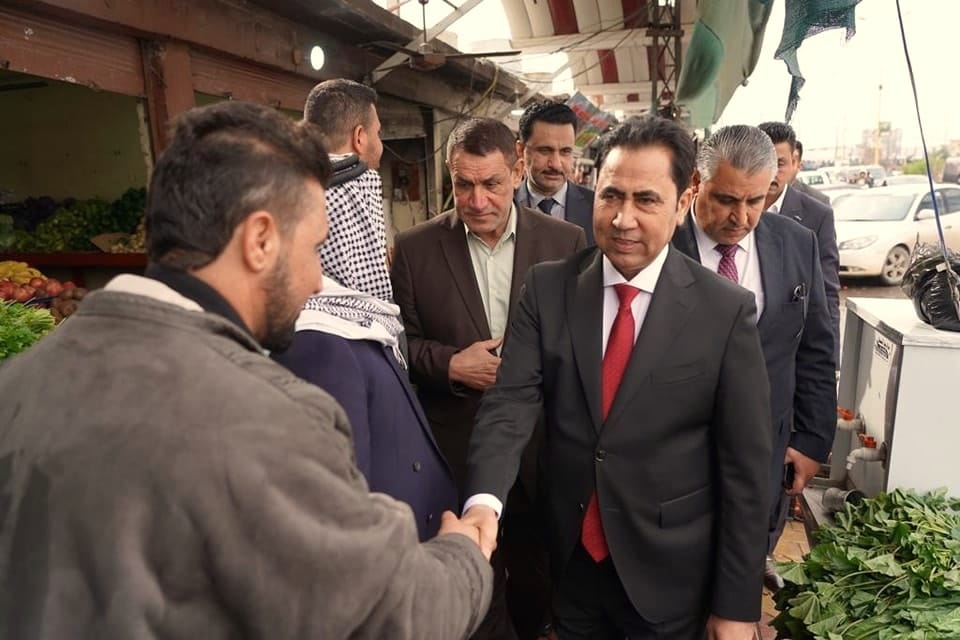
 The Assyria Post