

Speaking to the Kurdish news agency Mezopotamya Agency, Muslim is quoted as saying that “if this agreement breaks, chaos and civil war will begin in Syria,” in reference to the March 10 agreement between the Kurdish party and Damascus, warning that “if it becomes a civil war, it will be a great harm for all of Syria.”
Muslim’s words follow the ousting of his group from two districts in Aleppo earlier this month by forces of the government in Damascus. The swift military success of the Damascus government has rattled the Kurdish group, which had vowed to fight until the end to keep control of the districts, but later agreed to evacuate its fighters after suffering heavy losses.
“Assyrians are with us”
He went on to claim that the group has the support of all Assyrians in northeast Syria, stating: “Kurds, Arabs, and Assyrians in Rojava all called for unity. Peoples and faiths took a clear stance. All said they are behind the SDF.” in reference to the “Syrian Democratic Forces,” a military group which poses as an inclusive force but is ultimately controlled by the Kurdish PYD party in its attempt to carve out a Kurdish controlled enclave in the region Assyrians call Gozarto.
 Diana Al Rifai
Muslims words go against well-documented local Assyrian opposition to the PYD apparatus and its militia, following its extensive oppression of Assyrians. Among the many accusations, the PYD and its militia are documented to have murdered David Jendo, an Assyrian military commander and leader of the Assyrian Khabur Guards, who was killed on 22 April 2015.
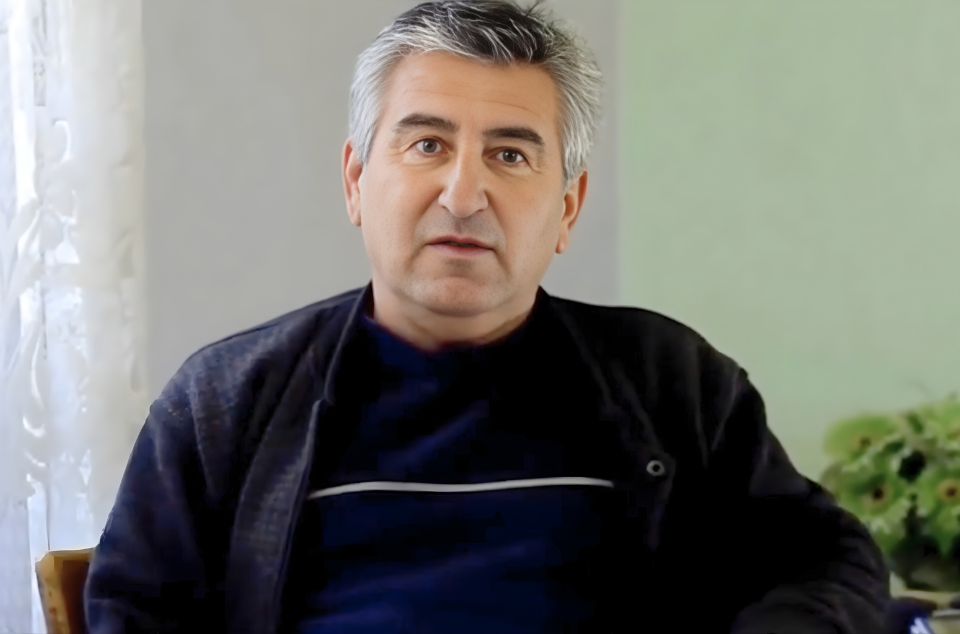
Jendo was assassinated by members of the Kurdish People’s Protection Units (YPG) militia in northeastern Syria for refusing to put his force under YPG command. In the same attack, his colleague Elias Nasser was severely injured but survived and later revealed the identity of the perpetrators.
 The Assyria Post
Assyrian groups have documented many instances of attacks by the Kurdish group against local Assyrian leaders and journalists, including continued attempts to shut down Assyrian schools in the region and enforce a Kurdish school curriculum praising the Kurdish group’s imprisoned leader, Abdullah Öcalan, while introducing historical revisionism of the area’s Assyrian history in favor of a Kurdish narrative.
 The Assyria Post


