

In its latest human rights report, issued in September of this year, the Hammurabi Human Rights Organization (HHRO) says dozens of Assyrian families in Basra, Baghdad, and across Northern Iraq continue to face illegal seizures of their homes and farmland. Many have filed complaints or pursued legal action, yet most cases remain unresolved.
Years after Iraq’s authorities promised to tackle widespread encroachments on Assyrian homes and lands, progress remains slow and unclear. Both Baghdad and the Kurdish run administration in Northern Iraq have set up committees and legal mechanisms, but court rulings in favor of Assyrian owners often go unenforced, the report shows.
Lack of implementation of court orders
The organization says the problem persists largely because law enforcement bodies fail to carry out court decisions. It calls for a coordinated national strategy involving the Prime Minister’s Office, the National Security Advisory, the Christian Endowments, and relevant ministries. Representatives from governorates with large Assyrian populations, including Nineveh, Duhok, Erbil, and Kirkuk, are also urged to participate.

The HHRO has appointed lawyers to follow up on dozens of unresolved cases. Many affected property owners live abroad and struggle to reclaim their lands. The group says the ongoing violations undermine Iraq’s diversity and drive further migration among the indigenous Assyrians and minorities.
Encroachments on Assyrian property date back to the Ba‘ath era and have continued under successive governments. While some were resolved, most remain pending. In the Kurdish dominated KRG region in Northern Iraq, several committees have been formed over the years to address the issue, including a ministerial body established in 2021 under the Interior Minister. Baghdad has also created a “Christian Properties Committee” and appointed a special judge to oversee such cases. Despite these initiatives, little tangible progress has been made.
HHRO reports that in some villages in Northern Iraq, Kurdish squatters have been compensated for giving up seized land, but the policy has led to abuses. In some cases, individuals accepted compensation yet refused to vacate the property, while others expanded their encroachments in hopes of future payouts.
The organization also highlights serious delays in judicial and police procedures, describing court execution offices as “graveyards” for rulings in favor of Assyrian owners. Some cases have stalled for years, allowing usurpers to pressure owners into low-price settlements.
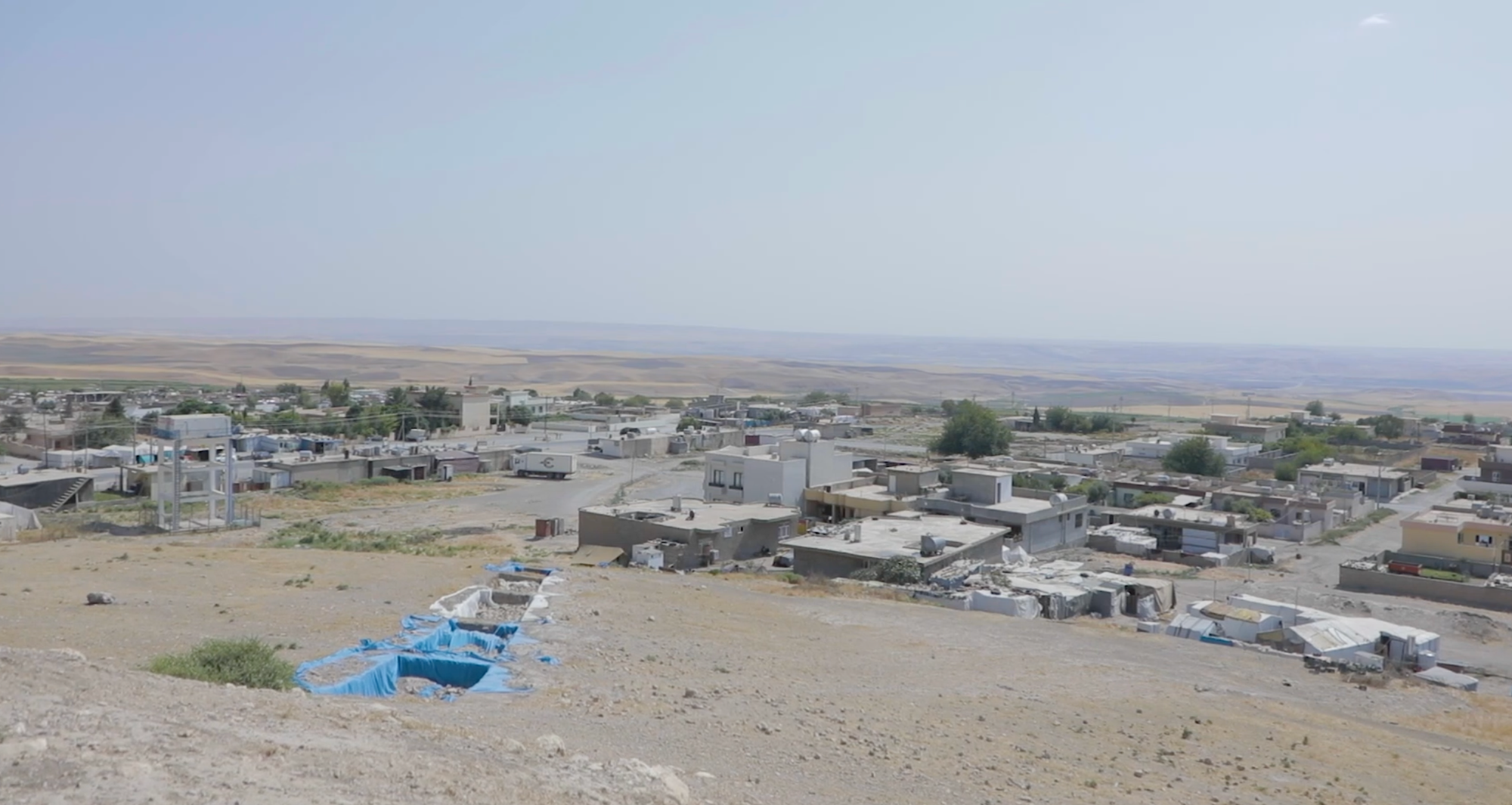
Among the unresolved cases are lands and villages in Duhok and Erbil seized by Kurdish officials decades ago for “public interest,” including property taken to build Erbil International Airport. In Zakho, attempts by Assyrians from the village of Derabun to reclaim their lands from influential Kurdish figures have failed.
Encroachments vary in nature, ranging from the seizure of church and school buildings to agricultural lands and orchards. Many cases stem from demographic changes carried out under the Ba‘ath regime, when Arab settlers were placed in historically Assyrian areas such as the Nineveh Plain. After 1991, some lands were returned, but others remain under the control of local Kurdish officials or powerful Kurdish individuals.
 The Assyria Post
HHRO has presented its findings to the Iraqi Minorities Alliance Network, which submitted them to senior Kurdish officials. It also issued a list of recommendations, urging courts to prioritize old cases, calling on the judiciary to act independently, and demanding that law enforcement bodies carry out court orders. The organization further recommends establishing a special judicial committee to resolve past and ongoing property violations affecting Assyrians and others.
Despite repeated promises, Assyrian property owners across Iraq and the KRG continue to wait for justice, often watching as new encroachments emerge while old ones remain unaddressed.
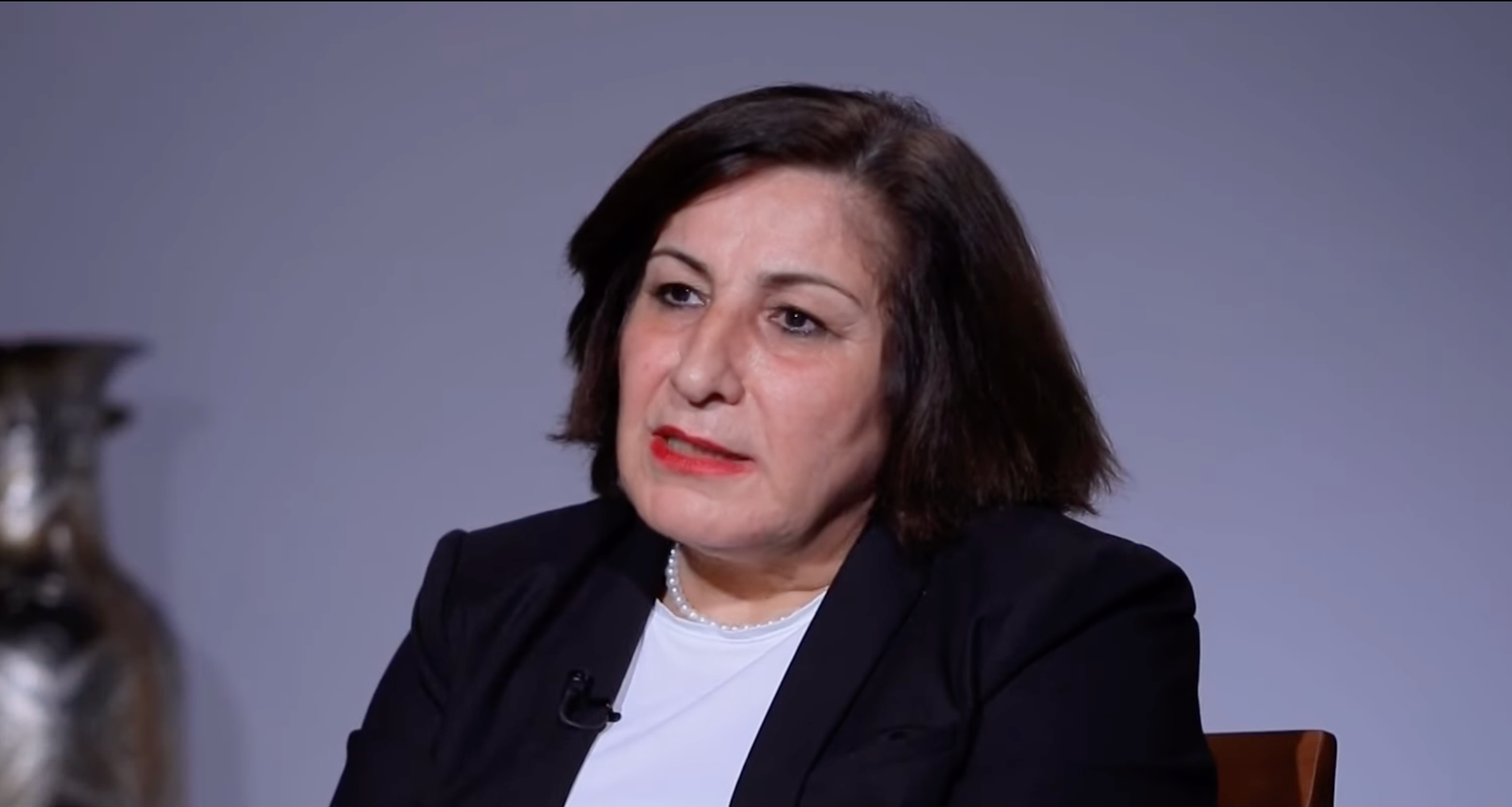
The Hammurabi Human Rights Organization was formally established in 2012 and is led by Pascale Warda, a former Minister of Migration and Displacement in Iraq who is herself Assyrian. The organization is a prominent voice for human rights in Iraq with offices in Baghdad, Erbil and Mosul.


