

Five Assyrian footballers—Aimar Sher, Kevin Yakob, Rebin Sulaka, Peter Gwargis, and Frans Putros—were part of the Iraq national team squad that secured qualification for the 2026 FIFA World Cup, achieving the milestone on the same day as Akitu, the Assyrian New Year, in Monterrey.
The players featured in Iraq’s squad for their decisive fixture against Bolivia at Estadio BBVA. Sher started the match and played until the 53rd minute, while AGF Aarhus midfielder Yakob was introduced late in the game, coming on in the 85th minute.
The result marks Iraq’s return to the World Cup for the first time in 40 years, with their previous appearance coming at the 1986 tournament in Mexico. That historic campaign was partly guided by legendary Assyrian coach Ammo Baba, while Assyrian football icon Basil Gorgis represented the nation on the world stage.
 Barseen Oshana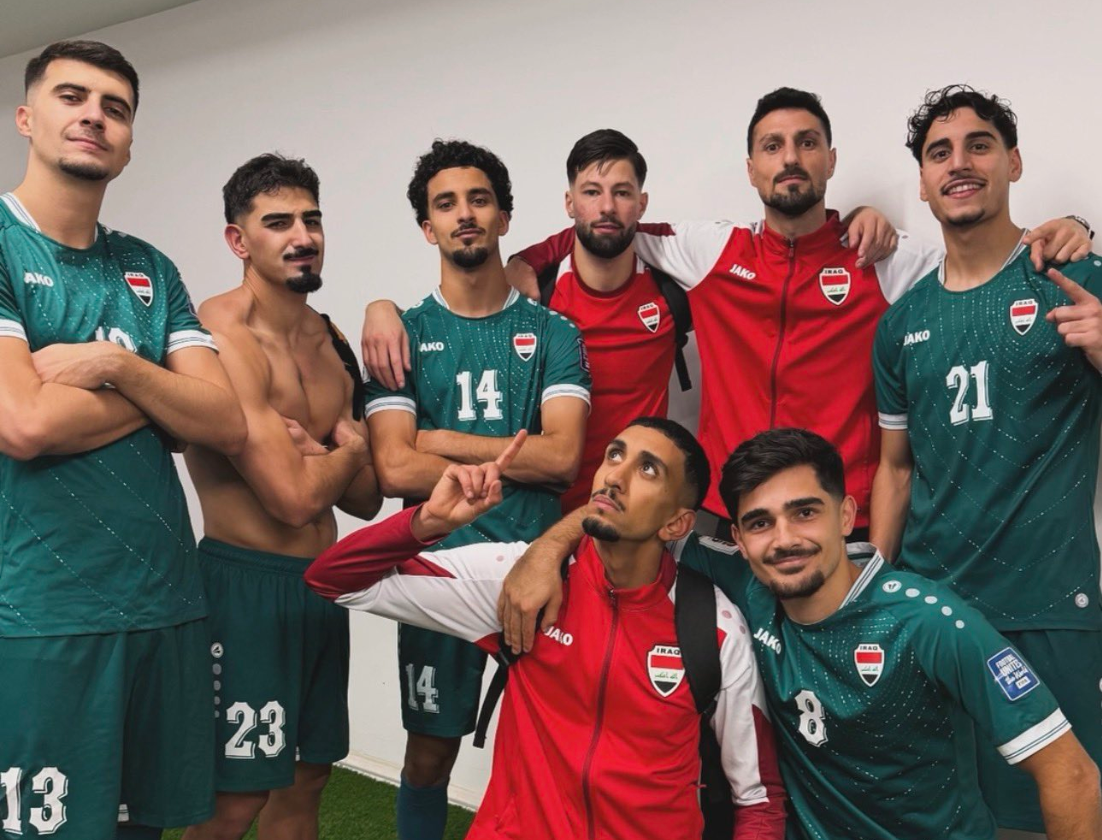
Assyrians have long played a foundational role in the development of football in Iraq. Institutions such as Nadi Al-Athori (Assyrian Sports Club) contributed significantly to the growth of the game, producing notable figures including Douglas Aziz, Youra Eshaya, Ayoub Odisho, and Basil Gorgis. Even current Iraq Football Association president Adnan Dirjal spent part of his playing career at the Assyrian-founded club.
 Barseen Oshana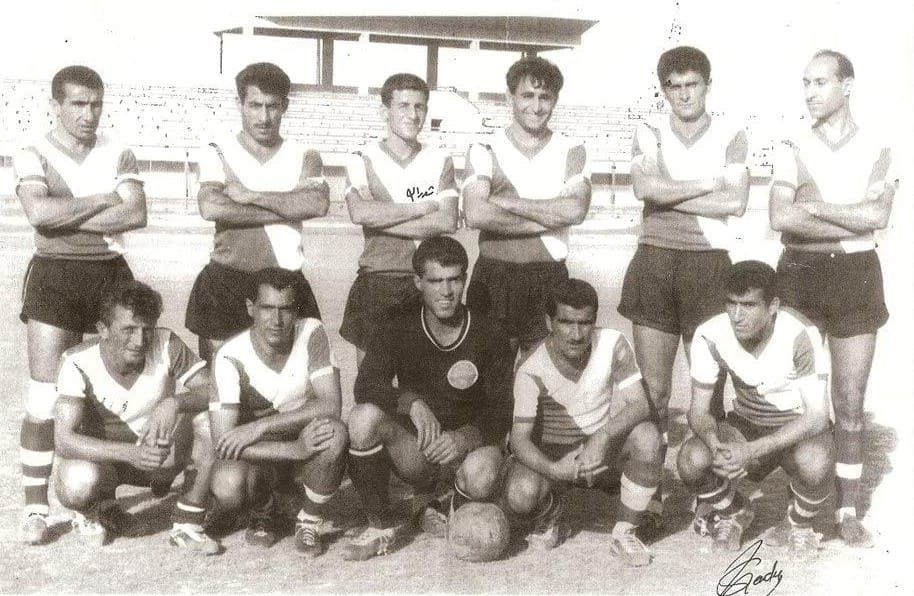
The celebrations were also marred by reports of hostility in parts of the Kurdish-administered north, where some fans celebrating the victory allegedly faced intimidation and incidents involving the removal of Iraqi flags. Local sources have similarly reported past instances to The Post of harassment by Kurdish nationalists during past celebrations of Iraq’s success.
Yet this moment of national pride stands in stark contrast to the lived reality of many Assyrians in Iraq. Despite their historic contributions to the country, core political and national rights remain unrecognised, including formal acknowledgment as the indigenous people of the land, recognition and reparations for past atrocities, and the long-standing and unresolved call for the establishment of a province in the Nineveh Plain.
The demographic reality further underscores these challenges. Since the 2003 invasion of Iraq and the subsequent violence—including the genocide committed by the so-called Islamic State—more than 90 percent of Assyrians have left the country. From a population of approximately 1.5 million prior to 2003, it is estimated that fewer than 200,000 Assyrians remain in Iraq today.
As Iraq celebrates its return to the world’s biggest football stage, the contributions of Assyrian players once again stand as a testament to a community whose presence endures despite decades of displacement, yet continues to shape the nation it helped build.


