The fifteen purely Assyrian villages of the Tur Abdin Region
Despite a turbulent history of genocide, attacks and pressure to leave, the Tur Abdin region still boosts fifteen villages solely inhabited by Assyrians.
Given the dramatic decline of the Assyrian population in Assyria over recent decades, it can be difficult to find places where one can still experience traditional Assyrian life. Nevertheless, there remain a number of locations where visitors can gain a genuine sense of being in Assyria proper.
Tur Abdin, one of the regions of Assyria most severely affected by genocide, persecution, and emigration, still boasts fifteen villages inhabited exclusively by Assyrians. Many of the other Assyrian villages in the region have a strong Assyrian presence but have been settled partly by Kurdish settlers. A number of villages however have been completely taken over by Kurdish settlers to the region.
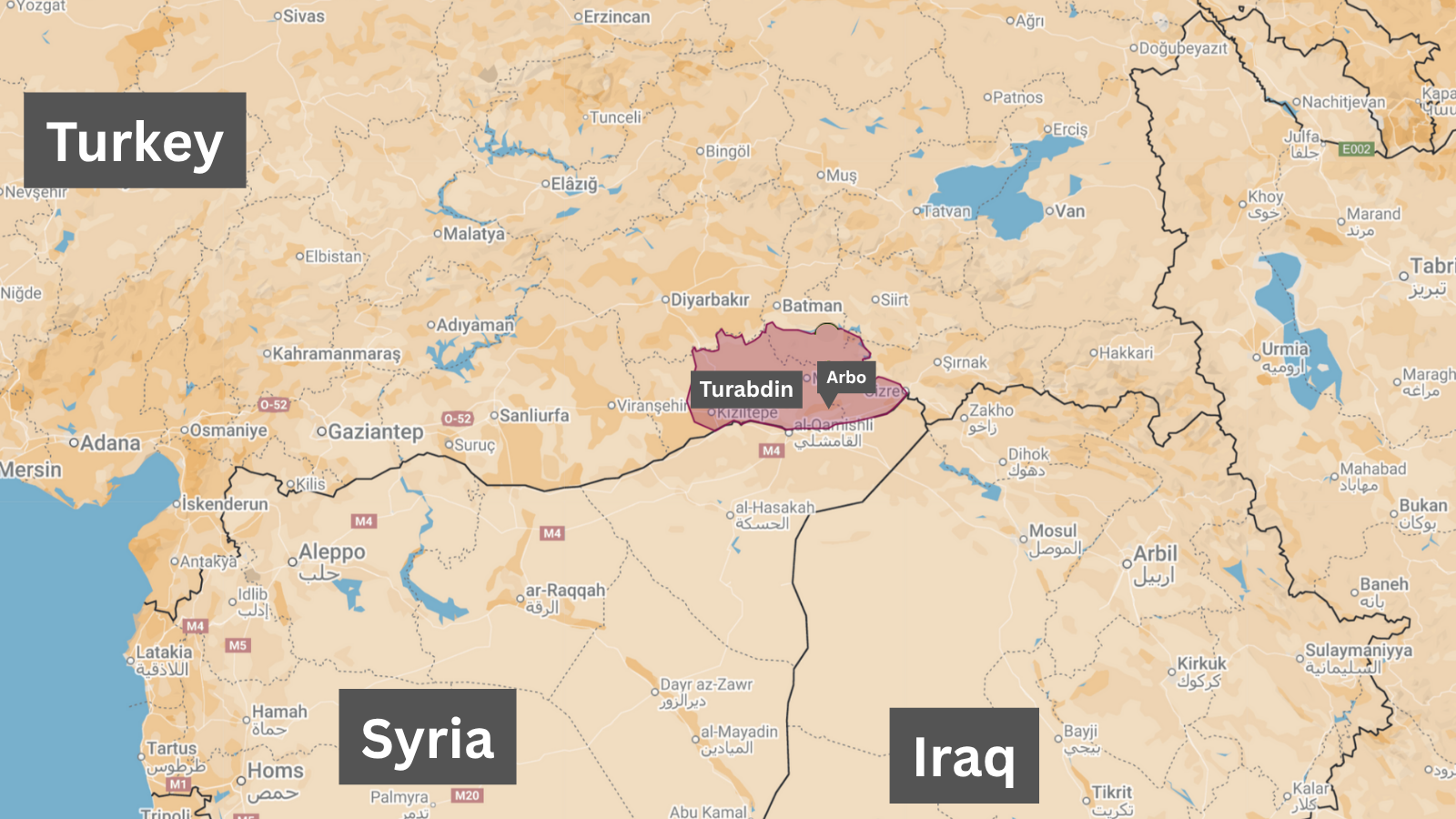
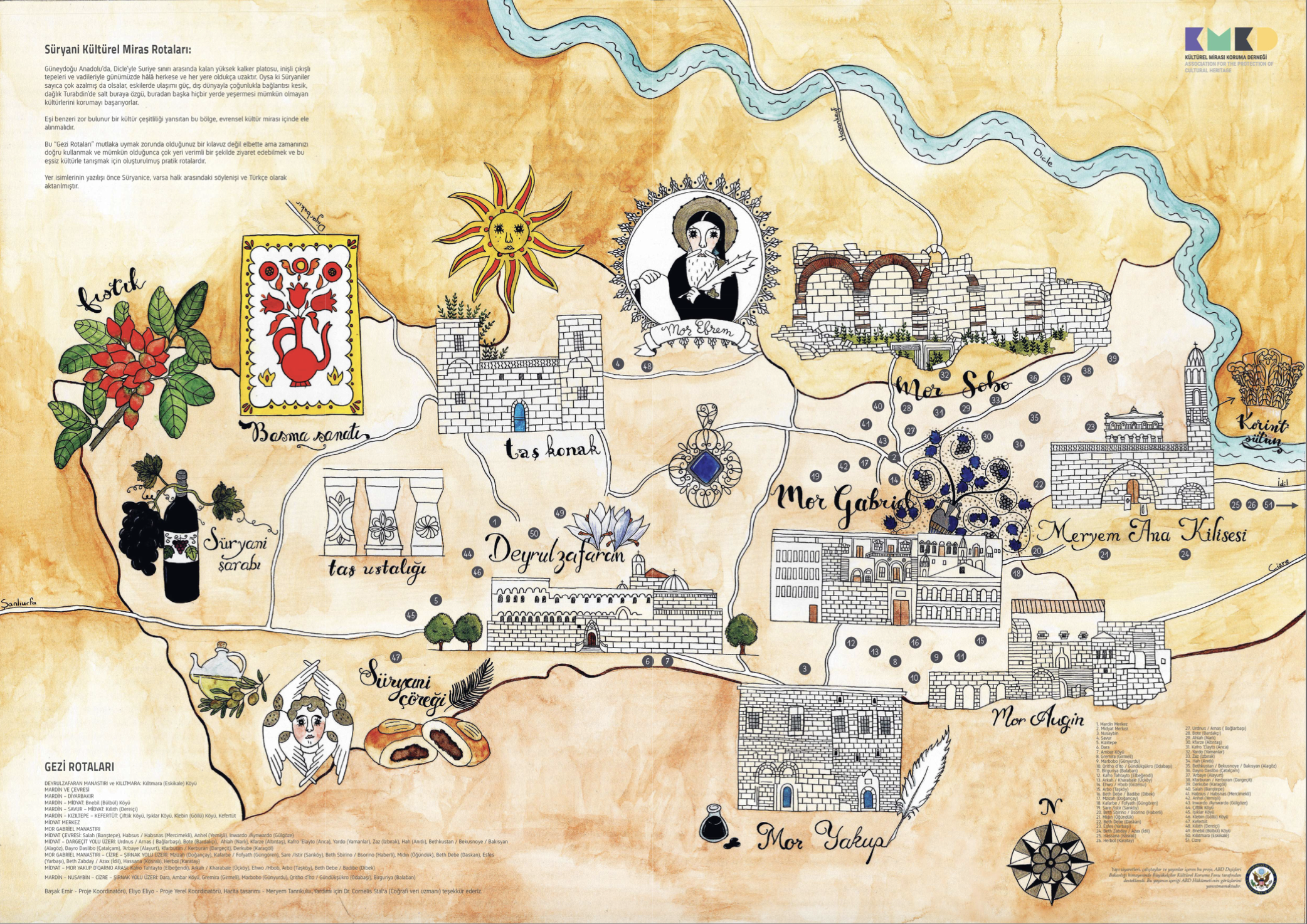
The list of pure Assyrian villages of Tur Abdin:
Miden (Turkish Öğündük) Miden is one of the biggest remaining Assyrian villages in terms of permanent inhabitants. It is also one of the few villages in the region that boasts a large pond.
Bsorino (Turkish imposed name Haberli)
Hah (Turkish imposed name Anıtlı) Hah was recently named the most beautiful village in Turkey.
Beth Kustan (also spelled Bequsyone) Beth Kustan is the first Assyrian village to reclaim its original name. The Turkish imposed name, Alagöz, is no longer official for the village.
Dayro du Slibo (Turkish Çatalçam)
Arkah (Turkish imposed name Üçköy) Arkah is one of the few villages that was never abandoned and is today the most populous village and arguably the most well-developed.
Arbo Arbo is the second village to regain its Assyrian name as its official name.
Beth Debe (also spelled Badibe) (Turkish imposed name Dibek)
Kharabe Mishka (Turkish imposed name Dağiçi)
Sedari (Turkish imposed name Üçyol)
Mor Bobo (Turkish imposed name Günyurdu)
Qritho di Cito
Bnebil (Turkish imposed name Bülbül) Bnebil is the only remaining purely Assyrian village located in the vicinity of the provincial capital Mardin. It is also the only village whose Assyrian inhabitants speak Arabic.
Sare (Turkish imposed name Sarıköy)
Ehwo (also named Hbob) (Turkish imposed name Güzelsu)
More than three decades after the assassination of Assyrian politician Francis Yusuf Shabo, no individual has been prosecuted, despite longstanding allegations linking the killing to Kurdish political actors in northern Iraq.
Newly appointed Iraqi Prime Minister Ali al-Zaidi visited the Chaldean Patriarchate in Baghdad on 26 May to congratulate the newly elected Patriarch of the Chaldean Catholic Church, Mar Paulos III Nona, following his confirmation by the Holy See and ahead of his official enthronement.
As investment in Tur Abdin continues, ensuring quality and trust in the construction sector is becoming an increasingly important concern for Assyrians seeking to preserve and rebuild their historic villages.
Residents of the historic Assyrian village of Ayn Wardo (Gülgöze) in Tur Abdin are opposing a large solar power project planned by Turkey’s Ministry of Energy and Natural Resources, warning that it could damage farmland, grazing areas, and the region’s ancient cultural heritage.
Researchers from Iraq, the United Kingdom, and Sweden have launched a new Arabic-language platform for one of the world’s largest collections of cuneiform texts. The project gives Arabic speakers wider access to ancient records written thousands of years ago across Mesopotamia.
More than three decades after the assassination of Assyrian politician Francis Yusuf Shabo, no individual has been prosecuted, despite longstanding allegations linking the killing to Kurdish political actors in northern Iraq.
The Assyrian Foundation of America (AFA) has announced a five-year financial commitment to the Assyrian Studies Association (ASA), pledging $30,000 annually through 2031 in support of the organization's academic and cultural work.
As investment in Tur Abdin continues, ensuring quality and trust in the construction sector is becoming an increasingly important concern for Assyrians seeking to preserve and rebuild their historic villages.