

Newly digitized archival materials are offering a rare and more detailed window into the lives of Assyrians in the Lake Urmia region of Assyria in northwestern Iran during the late 19th and early 20th centuries.
The materials form part of the Shedd Family Papers, a collection connected to the Presbyterian missionary presence in Urmia and to an Assyrian-Iranian family whose history was deeply intertwined with the region's schools, churches and wider community.
The Presbyterian Historical Society reported on August 27 that the Bancroft Library at the University of California, Berkeley, has completed the digitization of the original materials used in the traveling exhibition Assyrians from Persia (Iran) to the United States, 1887–1923: Assyrian Education, American Missionaries, and the Search for a Home. The materials are expected to be installed at Bancroft Library later this year.
Among the most significant additions are approximately 200 letters and other correspondence, many of them written in Assyrian.
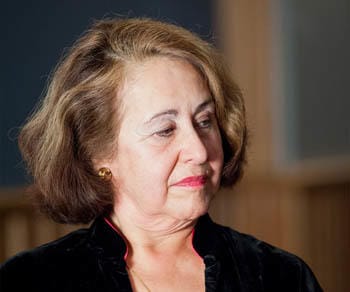
Dr. Eden Naby Frye, an Assyrian-Iranian cultural historian who was instrumental in developing the collection and exhibition, described the digitization as potentially the first Assyrian collection of letters and diaries to be made universally accessible in digital form.
The collection is particularly valuable because much of the surviving historical documentation about Assyrians in the Urmia region was produced by foreign missionaries and other outside observers. The newly digitized correspondence provides a different perspective.
Most of the approximately 200 letters are written in Assyrian, while around 30 were written by American missionaries. The letters date from the period immediately preceding and during the First World War, a critical era in the history of the Assyrian people of the region. The material documents aspects of education, family life, religious activity and migration, while also providing insight into the relationship between Assyrian communities and the American Presbyterian mission.
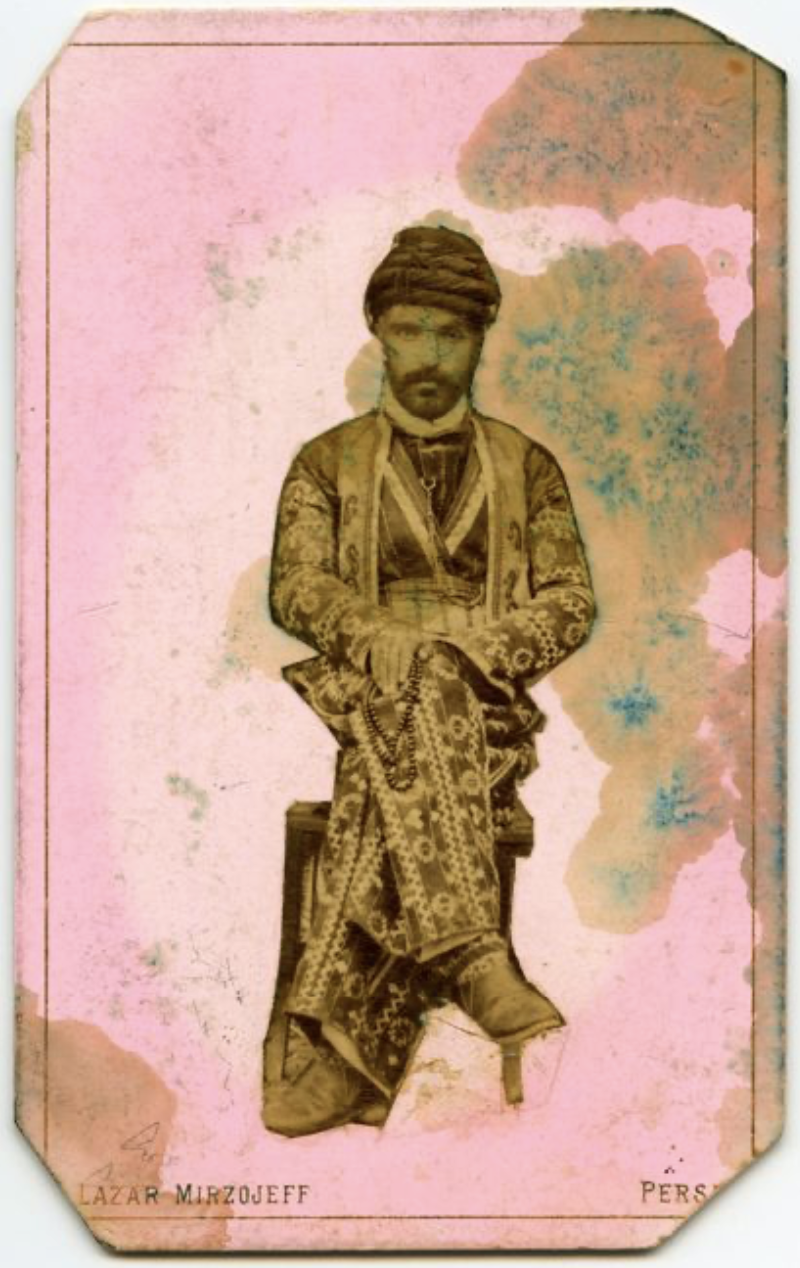
The Shedd collection also contains a remarkable body of photographs taken by Louise Wilbur Shedd, the second wife of missionary William Ambrose Shedd.
Her access to photographic equipment, and her position as a woman working in the region, allowed her to photograph people and families in ways that were not always possible for male missionaries. Her photographs document Assyrians, Armenians and Jews living in northwestern Persia before the upheavals of the First World War transformed the region through persecution, genocide and displacement.
Among the images are photographs of villages, families, women and children, providing a visual record of communities that would be profoundly affected by the violence and mass displacement that followed.
The Shedd family's connection to Urmia
The Presbyterian missionary John Haskell Shedd and his son, William Ambrose, served in Urmia from 1859 to 1918.
Their papers contain observations, manuscripts and correspondence concerning the people and communities of the mountainous region around northwestern Persia. In 2023, Shedd descendants and historian Hooman Estelami published a previously unknown manuscript, The Life of John Haskell Shedd, discovered among family papers in 2020. The newly digitized material expands that documentary record considerably.
The Shedd Family Papers had previously consisted of approximately five cubic feet of records. During the period when the Presbyterian Historical Society hosted the Assyrian exhibition in 2024, descendants of the Shedd family donated additional boxes of material to the collection. Those donations included photographs, correspondence, journals and other documents that help reconstruct the experiences of Assyrians in the Urmia region and their connections to the United States.
The significance of the digitization is that researchers and members of the Assyrian community will not need to travel to California to consult much of this material. The digitized Assyrian traveling exhibition materials are already available online, while the Shedd Family Papers are being made accessible through the Presbyterian Historical Society's digital collections. The physical materials are scheduled for installation at Berkeley's Bancroft Library later in 2026.


