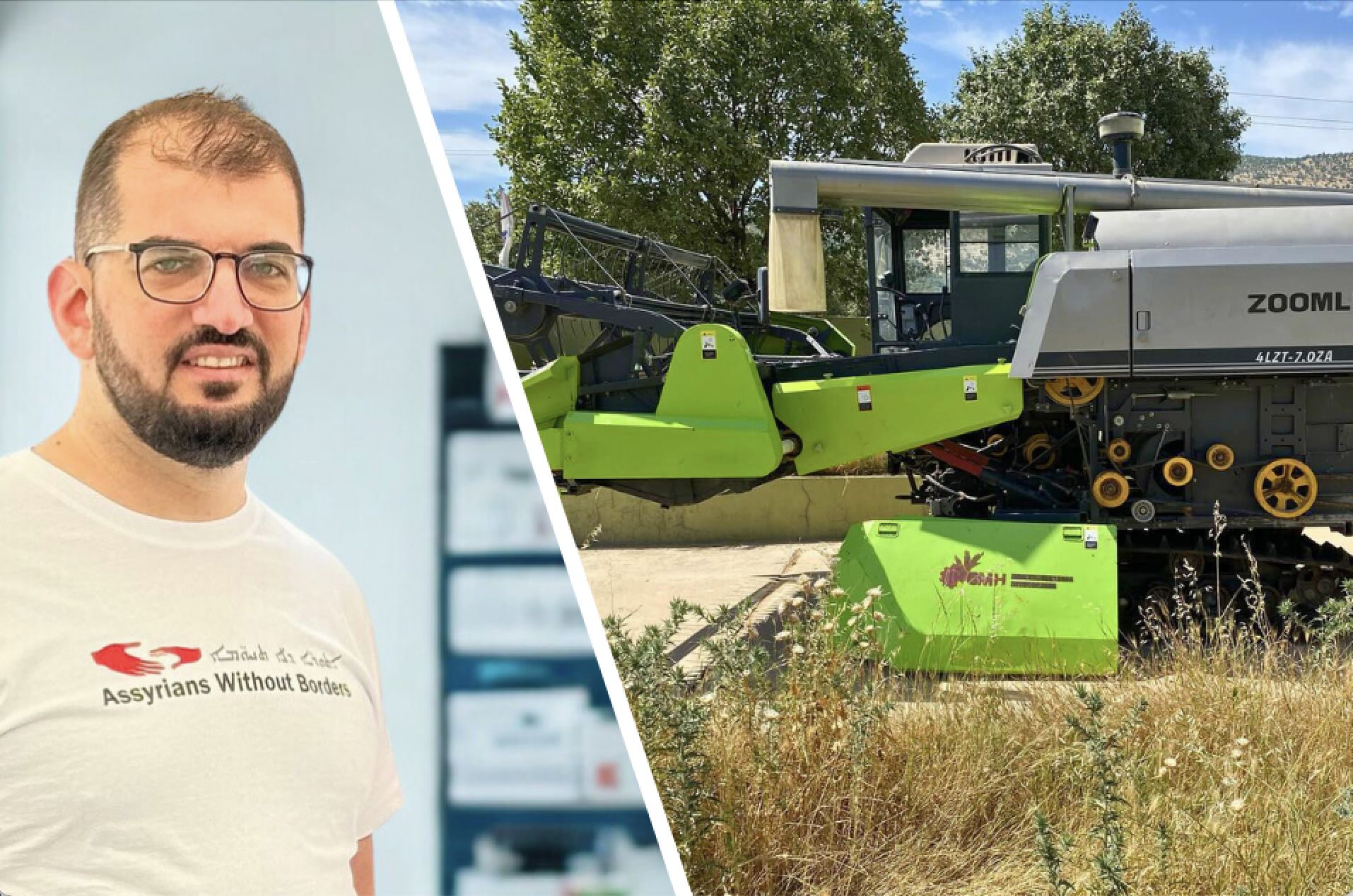
"Outside of genocide, the biggest reason our people leave the homeland is a lack of jobs and opportunity"
Launched in Michigan and operating in Iraqi Assyria, the program connects diaspora businesses with skilled Assyrians locally in an effort to create long-term economic stability and reduce emigration pressures.
Chris Salem, Co-founder of Nineveh Raising, told the Post the initiative was born out of a clear reality facing the community. “Outside of genocide, the biggest reason our people leave the homeland is a lack of jobs and opportunity and if we want a permanent presence in our ancestral lands, we have to address that reality.” He emphasised that economic development should be viewed not as a luxury, but as essential to preserving Assyrian continuity in the region.
Since its launch, Nineveh Jobs has created ten positions for Assyrians in the homeland, with salaries reportedly comparable to what engineers earn locally, providing what organisers describe as a solid middle-class income. Participants have been placed in roles supporting law firms, mortgage companies, and other professional services, primarily through remote work arrangements.
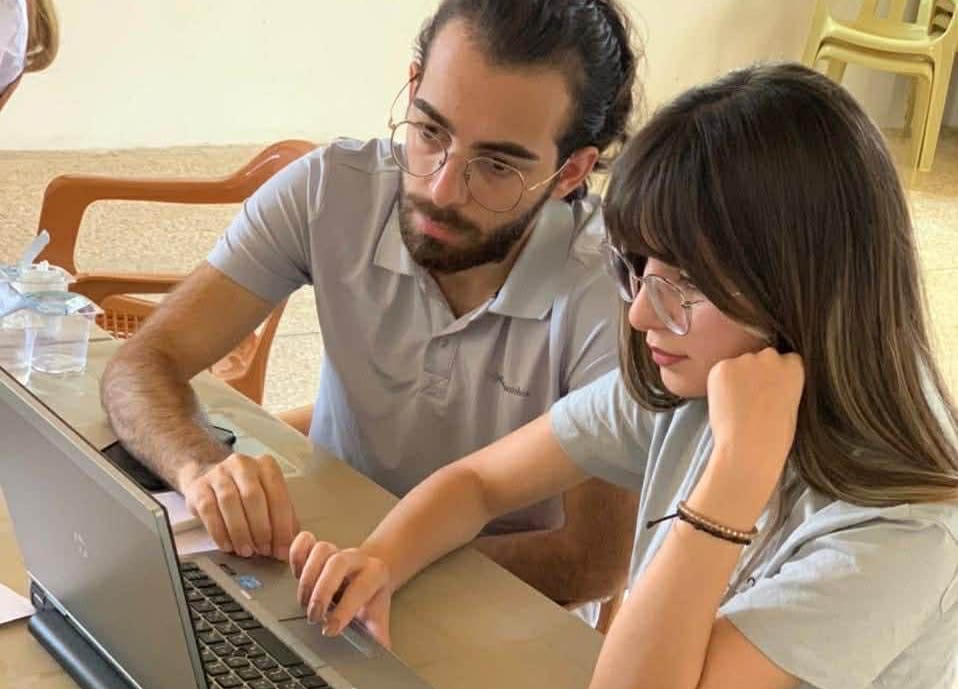
Salem stressed that the initiative’s impact extends beyond financial support. “Jobs create purpose,” he explained, adding that stable employment helps combat the stagnation and uncertainty many young Assyrians experience in their towns and villages. By providing both income and structure, the program aims to restore a sense of forward momentum for participants.
At its core, Nineveh Jobs is designed to help slow the ongoing Assyrian exodus from Iraqi Assyria. Salem pointed out that many young people in Assyria closely follow the economic success of diaspora communities in cities such as Detroit, Chicago, Arizona, and San Diego. “Right now, the only way to access that future is to leave the homeland,” he said.
"Our goal is to redirect some of that momentum back home by bringing opportunity to them"
The initiative operates on a model similar to global freelance platforms, but focused internally within the Assyrian community. Rather than relying primarily on donations, as some traditional Assyrian charitable organisations continue to do, Nineveh Rising is encouraging diaspora entrepreneurs and businesses to outsource real work to qualified Assyrians in Assyria. Organisers argue this creates a more sustainable cycle in which the homeland contributes economic value while strengthening community ties.
Despite early progress, Salem acknowledged that the program’s biggest challenges are scale and visibility rather than demand. He noted that with additional volunteers assisting in promotion, relationship management, and operations, the initiative could expand significantly.
Looking ahead, Nineveh Rising, which was established in 2022, envisions replicating aspects of the diaspora’s economic success within Assyria over the next five to ten years. Salem pointed to the rapid advancement of Assyrian communities in the West over the past half-century as a model. “The diaspora is a case study,” he said; “Our responsibility is to recreate similar conditions at home.”
 The Assyria Post
 The Assyria Post