

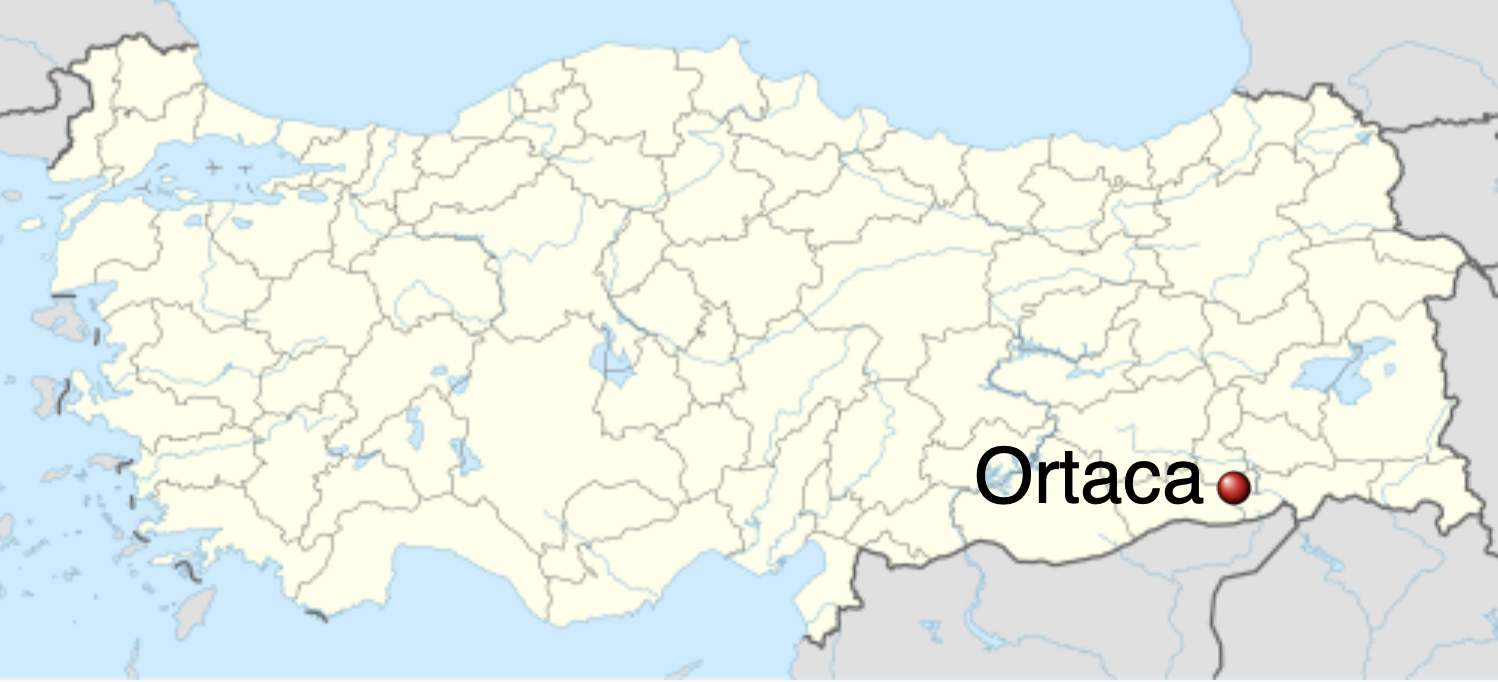
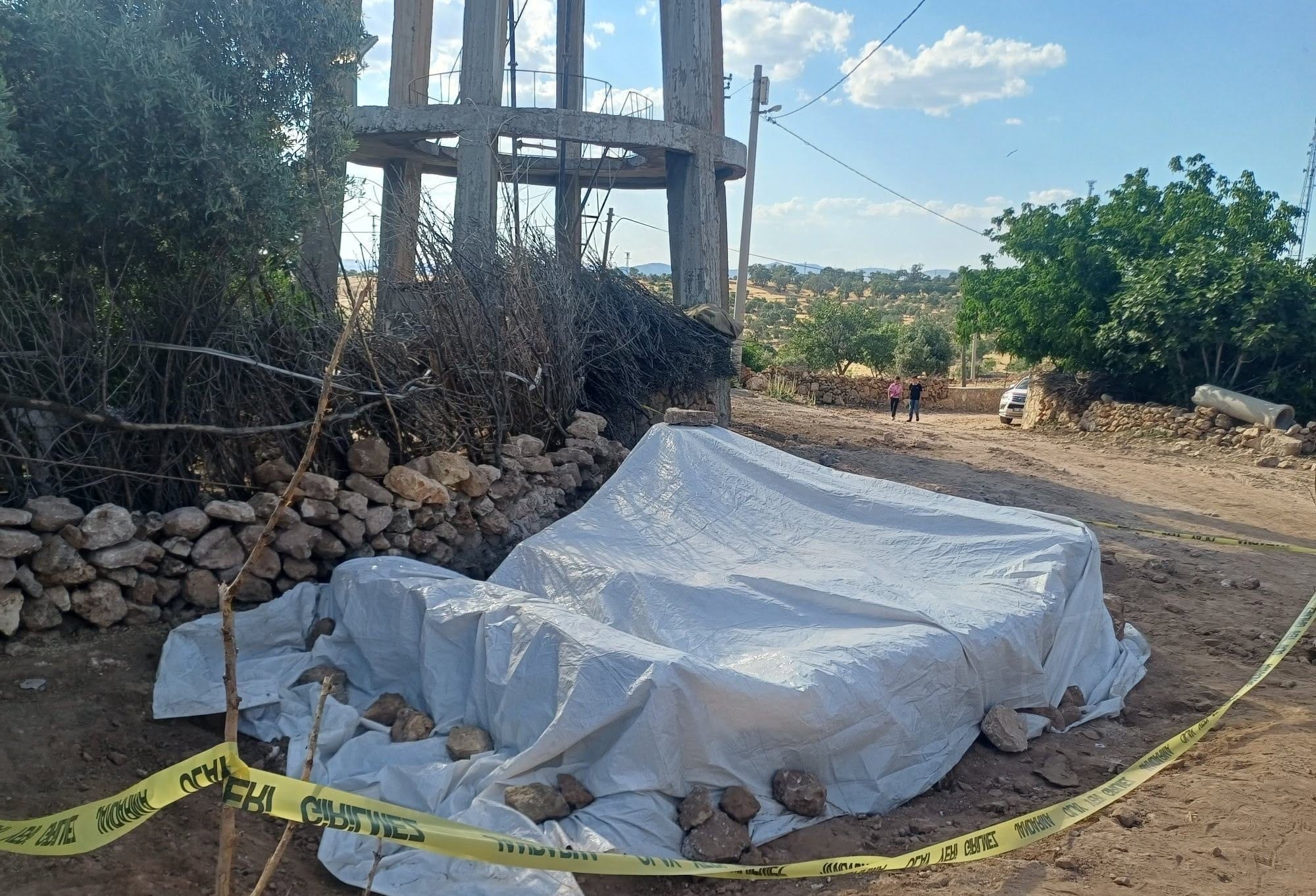
The discovery was made during road and paving works in the village, when workers uncovered stone blocks bearing Assyrian inscriptions near a water tower that had been constructed on the foundations of an old Assyrian church. Following reports of the find, representatives of the Assyrian Association of Tur Abdin immediately traveled to the site to conduct field inspections.
According to the association, the outlines of the church grounds can now be clearly identified. The area has since been placed under protection, with local gendarmerie providing security while investigations continue.
Preliminary examinations suggest that the inscriptions are written in Estrangelo, the oldest and classical form of the Assyrian script. The association noted that the style of writing could indicate that the church dates back as early as the fifth century, making the site one of significant historical and religious importance.
“The writing style on the stones is in Estrangelo, the oldest and classical form of Syriac,” the association stated. “This important detail suggests that the church and its inscriptions may date to the early centuries of Christianity in the region.”
During their fieldwork, association members spoke with an elderly villager in his nineties, who recalled that Eştrako once contained twelve churches. His testimony adds a poignant dimension to the discovery. The village, once home to a thriving Assyrian Christian community, saw its last Assyrian inhabitants emigrate during the 1970s.
The Assyrian Association of Tur Abdin has called for the site to be properly excavated, preserved, and integrated into the region's cultural and historical tourism initiatives. “Our greatest demand is that this historical site be cleaned, protected, and preserved as soon as possible,” the association said. “We are prepared to use our linguistic expertise and knowledge of regional history to decipher the inscriptions and contribute to a better understanding of this unique cultural heritage.”
The association also expressed its gratitude to Police Commander Osman Deniz for his support and assistance during the field inspections.
In a follow-up statement posted on social media, the association revealed an important historical clue that may help identify the church. Drawing upon archival information shared by one of its followers, the association noted that the British archaeologist, traveler, and writer Gertrude Bell visited the village during her travels through Tur Abdin in April 1911. During that visit, Bell photographed a church in Eştrako. The archival evidence has strengthened the possibility that the newly uncovered remains belong to the historic Mor Aday (Addai) Church, a site previously documented but long lost from public memory.
Eştrako, known today by its Turkish name Ortaca, is one of many ancient Assyrian villages in Tur Abdin that no longer has an Assyrian population due to centuries of genocidal attacks against the indigenous population.


