

Born in Nohadra (Dohuk) in the Assyrian region of Iraq, Butrus arrived in Australia as a refugee in 2013. She began her football journey at grassroots level, playing as a forward for Roxburgh Park United in the Victorian State League (Division 5 North) under Assyrian coach Basim Rasho, where her talent and work ethic quickly stood out.

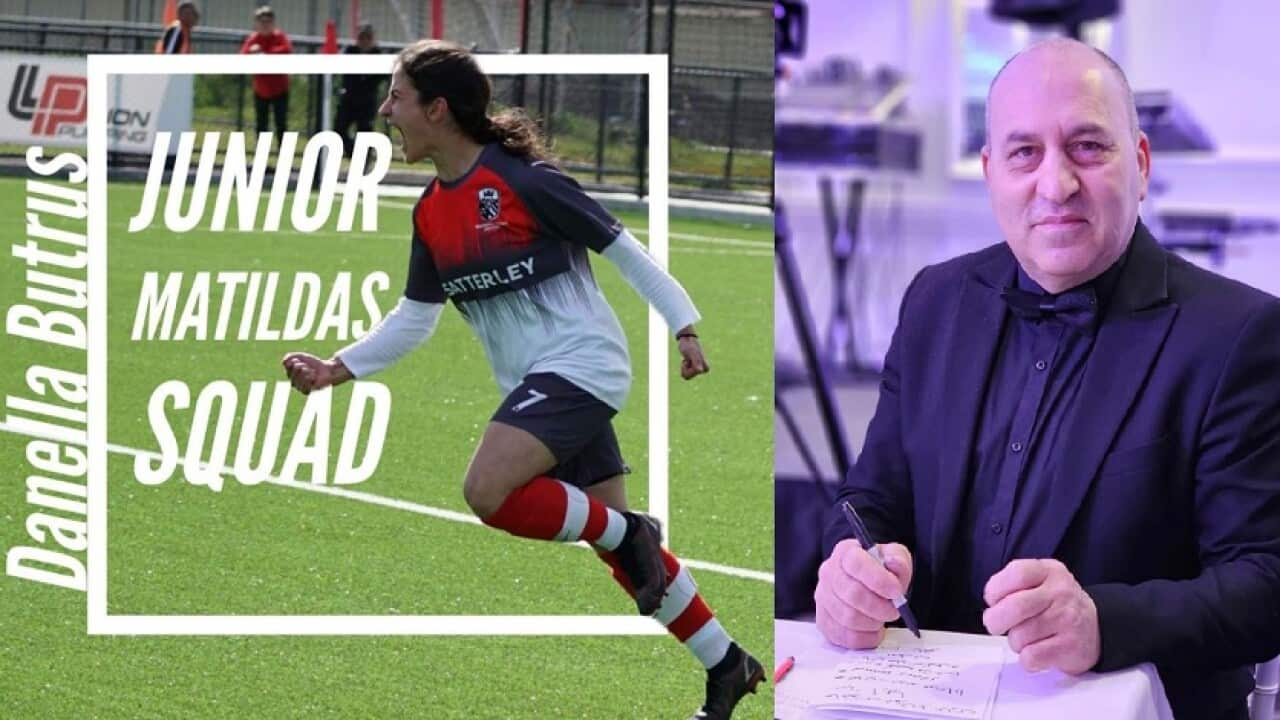
Her standout performances in the National Premier Leagues Victoria Women (NPLW) brought widespread recognition, culminating in her being awarded the 2025 NPLW Gold Medal, the league’s highest individual honour. These performances paved the way for her move to Melbourne City FC, one of the most successful clubs in A-League Women history.
Since joining Melbourne City, Butrus has continued to develop, featuring in domestic competition and on the continental stage, including appearances in the AFC Women’s Champions League.
This 18-year-old seriously pulled off a rainbow flick in just her FOURTH game 😮💨🌈
— Ninja A-League (@aleaguewomen) November 17, 2025
Danella Butrus has got some tekkers.
🎥 The AFC Hub pic.twitter.com/pO6Ox4QFbL
At international level, Butrus has represented Australia with the Junior Matildas, competing at the AFC U-17 Women’s Asian Cup alongside fellow Assyrian Alvina Khoshaba, now of Western Sydney Wanderers FC—highlighting the growing Assyrian presence in Australia’s elite football pathways.
Butrus follows in the footsteps of Assyrian pioneers in Australian women’s football, most notably Leena Khamis and Shamiran Khamis. Leena Khamis remains one of the most prominent Assyrian footballers in Australian history, having represented the Matildas on 25 occasions, including appearances at the FIFA Women’s World Cup in 2011 and 2015, alongside a distinguished club career in Australia and Denmark.
Her sister, Shamiran Khamis, also represented Australia at youth level and plays professionally, while their eldest sister, Linda Khamis, currently serves as head coach of the Western Sydney Wanderers U23 women’s squad. Today, Shamiran Khamis plays for the Western Sydney Wanderers alongside fellow Assyrians Alvina Khoshaba and Miriam Zumaya.
Together, their achievements laid important foundations for Assyrian representation in the women’s game—foundations upon which players like Danella Butrus are now building.


