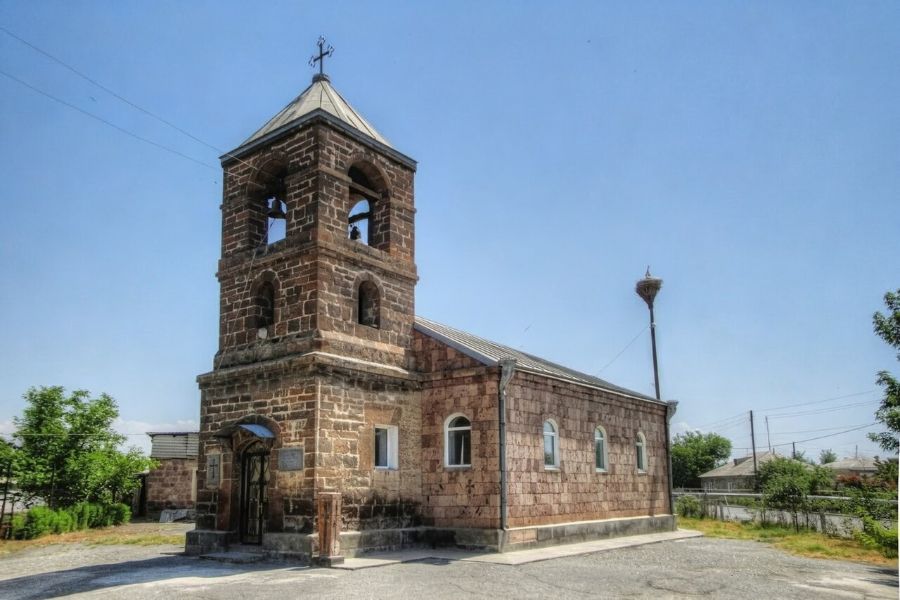
This post is part of hand-picked stories from across the web, curated by the editors of the Assyria Post.
"One of the few places where Assyrians have been able to live in relative peace is Armenia. Assyrians arrived in the Caucasus during the 19th century, when the Russian Empire defeated the Persian Empire in two wars. At the time, most of present-day Armenia and Azerbaijan was part of the Caucasian khanates, semi-independent entities under the sovereignty of Persia’s Qajar dynasty. During the conflict, Assyrians living on Persian territory — mainly in Iranian Azerbaijan — assisted the Russian army and fought for St. Petersburg. As a result, Emperor Nicholas I viewed them as useful allies. After the Treaty of Turkmenchay in 1828, Russia allowed hundreds of Assyrian families to relocate from Iran to newly acquired territories. Most settled in the Armenian Oblast, later reorganized as the Yerevan Governorate."
 Lorenzo Riva